Home Blog

How to Release Trauma Stored in the Body

How to Release Trauma Stored in the Body

Introduction

Your therapist tells you to discuss the traumatic event, yet words do not seem to be possible. Your throat closes up, your chest narrows, and you are unable to breathe. Or maybe you have been in talk therapy for years, you know all the facts about why you couldn’t have this chronic pain, or digestive problems, or a panic attack that has no apparent cause. It is your body talking a language that is usually hard to treat in a traditional therapy- the language of stored trauma.

Understanding How Trauma Lives in the Body

It is not recent age mysticism that there is a concept that trauma gets stored in the body; it is neuroscience. Our nervous system switches to survival modes, fight, flight, or freeze, when we go through traumatic situations. Such reactions trigger a cascade of stress hormones and physiological shifts. But in cases when we cannot accomplish these protective functions, when we cannot combat or run away, this energy and tension are confined within our muscular and nervous systems (Van der Kolk, 2014).

As stated by Dr Bessel van der Kolk, the most prominent researcher on the topic of trauma and creator of the book, The Body Keeps the Score, traumatic memories do not have the same encoding as regular memories. Though normal memories are stored using the language centres of the brain, traumatic memories are stored in the regions of the brain where emotional and physical sensations are stored. That is why, after the trauma, survivors cannot express themselves verbally but perish in their bodies (Van der Kolk, 2014).

The autonomic nervous system is the system that regulates automatic body functions, and it goes out of control after trauma. It can be in a hyperarousal state, checking all the time to see if it is dangerously close to running, the heart is racing, the muscles are in a hyperaroused position, or it can be in a hypo aroused state-numbness, a sense of disconnection and a shutdown state. The National Institute of Mental Health describes this dysregulation as a cause of many of the physical health issues in survivors of trauma, such as chronic pain, autoimmune diseases, cardiovascular disease, and gastrointestinal problems. (NIMH, 2023).

Somatic Experiencing: Following Your Body’s Wisdom

One of the most respectable body-based trauma healing techniques is Somatic Experiencing, developed by Dr. Peter Levine. This approach is based upon the self-healing abilities of the body, which aims at assisting people to fulfil the interrupted survival responses of traumatic experiences. Instead of trying to make individuals re-experience trauma by recounting the story, Somatic Experiencing aims at creating awareness of body sensations and releasing the tension held (Levine, 2010).

It is done by monitoring the less obvious physical experiences – understanding where you hold tension in the body, sensing a shift in temperature, pressure or movement. A qualified practitioner takes his clients through pendulating between pleasant and painful areas, developing resistance to painful sensations without getting overwhelmed. This slow titration will inhibit traumatization but will enable the nervous system to release stored survival energy.

A study that was conducted in the Journal of Traumatic Stress shows that the Somatic Experiencing approach lowers the symptoms of PTSD greatly and this effect is observed even after several follow-ups. The subjects were not only reporting psychological improvement but also noted decreasing physical symptoms, such as chronic pain and digestion (Brom et al., 2017).

People can initiate some practice of somatic awareness on their own. Begin by just sitting down and moving through your body (head to toe) and just feeling what is going on without assessing it. When you have some tension or discomfort areas, breathe into them instead of working to get these areas to relax. Indication of changes, increases, or discharges of sensations. This befriending of your body signals creates the groundwork of further healing activity.

Movement Practices for Trauma Release

Movement is one of the most effective ways to get out the stored trauma since it directly deals with the unfinished survival mechanisms trapped in the body. Trauma-informed yoga has become a well-established therapy-based practice in therapeutic communities that assist survivors in reconnecting with their bodies and doing so in a safe way (Emerson and Hopper, 2011).

Contrary to the conventional yoga classes where the focus is on success and poses, trauma-sensitive yoga has choice, safety and interoception, the recognition of inner body condition as its priorities. Instructors do not give instructions but instead use invitational language, which gives the participants the option to alter or omit any pose. This freedom assists the trauma survivors to regain control over their bodies which has been violated by the trauma. The Trauma Centre at Justice Resource Institute discovered that trauma-sensitive yoga was effective in alleviating PTSD symptoms of women with treatment-resistant PTSD (Van der Kolk et al., 2014).
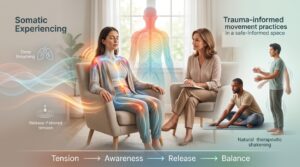
The traditions of shaking and tremoring take advantage of the body as natural stress-release mechanisms. Monitor animals following a threat- they literally shed off the stress hormones and get back to baseline. It is something that humans tend to repress, and they get the activation as a trap in our systems. Trauma Release Exercises (TRE), invented by Dr. David Berceli, involve the use of certain stretches that activate the natural tremoring mechanism of the body to enable the nervous system to release tension (Berceli, 2008).

Another way of releasing trauma is through dance and genuine movement. Once our bodies are left to move freely without choreography and without judgment, the repressed feelings and memories can be brought out and be played out without the use of words. According to research in the American Journal of Dance Therapy, dance movement therapy assists trauma survivors to process the traumatic memories, decreases dissociation and enhances body awareness (Koch et al., 2019).

Breathwork and the Vagus Nerve

The breath provides a connection between the conscious and unconscious, the voluntary and the involuntary nervous systems. Trauma normally causes shallow and chest-based types of breathing that keep the body in a state of stress. The intentional alteration of our breathing rhythms can alter our nervous system, either putting us in the sympathetic (fight-or-flight) or in the parasympathetic (rest-and-digest) mode of activation (Porges, 2011).

The vagus nerve is the longest cranial nerve of the body, which is important during recovery after TRAM. This is the nerve that links the brainstem to many organs, such as the heart, lungs, and the digestive system and is the primary constituent of the parasympathetic nervous system. The nervous system can be controlled by the stimulation of the vagus nerve by using certain breathing exercises, humming or cold, which will free the tension associated with the traumatic events (Porges, 2011).

Diaphragmatic breaths, also known as belly breathing, mean breathing into the lower abdomen as opposed to chest breathing. This triggers the diaphragm and vagus nerve, which indicates that it is safe for the body. You have to practice putting one hand on your belly and the other on your chest. Breathe in very slowly with your nose and feel your belly rising, and the chest remains comparatively stable. Breathe out gradually with the mouth. Exercise for five to ten minutes a day.

The Navy SEALs use an exercise known as box breathing to keep calm during stress, and it is based on the following: breathing in (one count), breathing out (one count), breathing in (one count), and breathing nothing in (one count). This rhythmical pattern disrupts stress reactions and restores the nervous system. Parasympathetic response is facilitated especially by deep breathing in which the exhale is longer than the inhale, which disrupts trauma release and relaxation (Harvard Medical School, 2021).

Bodywork and Manual Therapies

Touch therapies are very healing to trauma stored in the body, but it has to be used with care and only with well-trained practitioners who know about trauma. Complicated relations with touch are also a common feature of trauma survivors, and bodywork should be based on the principle of safety, consent, and the empowerment of the client. Craniosacral therapy involves light touch, and it is applied to hindrance restrictions within the craniosacral system -membranes and fluid that encompass the brain and the spinal cord.

Practitioners document that this subtle work can assist in releasing deeply held patterns of trauma, even though there is limited scientific study on the mechanisms of such work. The most important thing is that, according to many trauma survivors, this non-invasive method brought them much relief (Upledger Institute, 2020).

Myofascial release treats the connective tissue (fascia) which encloses muscles and organs. Trauma may lead to restriction of fascia and tightening, which is the cause of chronic pain and limited movement. By sustained pressure and stretching, the practitioners can relieve these restrictions with the help of skilled practitioners. The research in the Journal of Bodywork and Movement Therapies indicates that myofascial release may help alleviate pain and enhance the functionality of people with chronic pain disorders, which may be associated with trauma (Ajimsha et al., 2015).

Although acupuncture has Chinese traditional medicine roots, it has potential in the recovery of trauma because of the effects of acupuncture on the nervous system. Studies show that acupuncture has the ability to balance cortisol levels, inflammation and activation of the parasympathetic nervous system. The Journal of Nervous and Mental Disease reported that a combination of acupuncture and therapy was very effective in treating PTSD as compared to therapy (Hollifield et al., 2007).

Practices You Can Start Today

You do not have to wait until you get professional treatment to start releasing the trauma out there. Some evidence-based practices may be initiated alone, and some become safer and more effective when collaborating with a trauma-informed practitioner. Progressive muscle relaxation is a method that involves the systematic contraction and relaxation of varied muscles. It becomes more aware of your points of tension and your body learns the distinction between tension and relaxation.

Begin with your feet, six seconds of tightness in the muscles, then relaxation. Make slow movements towards the upper part of your body. Exposure to cold water activates the vagus nerve and may help to re-set nervous system. Begin with a little splash of cold water on your face, ice cubes or spend the last 30 seconds of your shower with a little cold water. Feel without struggling, letting your breathing settle. The grounding methods are useful when you feel crushed by the feelings of trauma.

The 5-4-3-2-1 method consists of finding five things that can be seen, four that can be touched, three that can be heard, two that can be smelled, and one that can be tasted. This puts you in the present and disrupts traumatic activation. The vagus nerve is stimulated by humming, chanting or singing by the vibration of the vocal cords. Regulatory influences on your nervous system can be obtained even merely by humming a favourite melody whilst cleaning the dishes.

The Importance of Professional Guidance

Although numerous somatic practices can be considered as a single entity, having trauma-informed professionals allows being safe and getting the most out of it. Sometimes it is overwhelming as you release the trauma and a skilled guide will help you keep within your window of tolerance, not so high that you will be overwhelmed to the extent of traumatisation.

Find practitioners trained in somatic therapies such as Somatic Experiencing, Sensorimotor Psychotherapy or trauma-sensitive yoga. Make sure that the bodywork practitioners possess special training in trauma-informed care. The connection you have with your practitioner is as important as the method of doing it- you should feel safe, respected, and in control of the process of healing.

Conclusion

The body is not an instant cure, as it is a process of reconnecting with the body to release trauma. Something has been attempting to be said to you by your body in the one language it understands, that of sensation, tension, and physical symptomatology.

Learning to listen will enable you to finally allow your nervous system to finish what it had not been able to finish when you experienced a trauma. With the help of somatic practices, breathwork, movement, and touch, you will be able to turn your body into a jail of painful experiences into a source of healing and strength.

References

Ajimsha, M. S., Al-Mudahka, N. R., & Al-Madzhar, J. A. (2015). Effectiveness of myofascial release: Systematic review of randomized controlled trials. Journal of Bodywork and Movement Therapies, 19(1), 102-112.

Berceli, D. (2008). The revolutionary trauma release process. Vancouver: Namaste Publishing.

Brom, D., Stokar, Y., Lawi, C., Nuriel-Porat, V., Ziv, Y., Lerner, K., & Ross, G. (2017). Somatic experiencing for posttraumatic stress disorder: A randomized controlled outcome study. Journal of Traumatic Stress, 30(3), 304-312.

Emerson, D., & Hopper, E. (2011). Overcoming trauma through yoga: Reclaiming your body. Berkeley, CA: North Atlantic Books.

Harvard Medical School. (2021). Relaxation techniques: Breath control helps quell errant stress response. Boston, MA: Harvard Health Publishing.

Hollifield, M., Sinclair-Lian, N., Warner, T. D., & Hammerschlag, R. (2007). Acupuncture for posttraumatic stress disorder: A randomized controlled pilot trial. Journal of Nervous and Mental Disease, 195(6), 504-513.

Koch, S. C., Kunz, T., Lykou, S., & Cruz, R. (2019). Effects of dance movement therapy and dance on health-related psychological outcomes: A meta-analysis. The Arts in Psychotherapy, 41(1), 46-64.

Levine, P. A. (2010). In an unspoken voice: How the body releases trauma and restores goodness. Berkeley, CA: North Atlantic Books.

National Institute of Mental Health. (2023). Post-traumatic stress disorder. Bethesda, MD: National Institutes of Health.

Porges, S. W. (2011). The polyvagal theory: Neurophysiological foundations of emotions, attachment, communication, and self-regulation. New York: W.W. Norton & Company.

Upledger Institute. (2020). Craniosacral therapy: What you need to know. Palm Beach Gardens, FL: Upledger Institute International.

Van der Kolk, B. A. (2014). The body keeps the score: Brain, mind, and body in the healing of trauma. New York: Viking Press.

Van der Kolk, B. A., Stone, L., West, J., Rhodes, A., Emerson, D., Suvak, M., & Spinazzola, J. (2014). Yoga as an adjunctive treatment for posttraumatic stress disorder. Journal of Clinical Psychiatry, 75(6), 559-565.

See Also:
What is Suspension Trauma?

What is Suspension Trauma?

What is Suspension Trauma?

Introduction

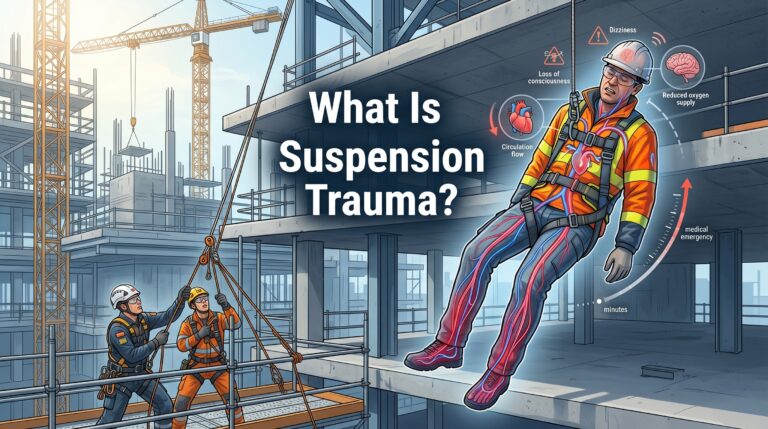
Consider the following situation: A construction worker falls off a scaffold, but the safety harness is there to save his life. Hanging above the ground, he is safely waiting to be rescued. And relief fills all as the harness served. However, he begins to experience dizzy and nauseous feelings in a few minutes. His legs start to tingle and become numb. What’s happening? He is suffering a condition known as suspension trauma a potentially life-threatening condition that can take place even when safety equipment is operating in perfect conditions.

Suspension trauma happens to be one of the least considered risks in an industry where workers work at heights. It is a silent killer that may result in a successful safety intervention becoming a medical emergency. This condition may be life or death to the construction, window washing, rope access, rescue operations, and any other line of work that involves the use of fall protection equipment.

Understanding Suspension Trauma

Suspension trauma, or orthostatic intolerance or harness hang syndrome, is a life-threatening syndrome that happens when one is in a harness hanging vertically over an extended duration, sometimes as minimal as 5 to 10 minutes. When you are standing motionless, but in an upright position, the blood is drawn downwards into your legs by gravity. As a rule, when you are standing, the muscles of the legs contract and pump the blood up to the heart.

However, at the moment when you are suspended and can do nothing, this pumping device dies away. Blood will start stagnating in your legs, veins, and less blood is pumped back to the heart. Having less blood to circulate, your heart has less to press to your brain and other vital organs. This may result in unconsciousness, organ failure and death in case it is not taken care of as quickly as possible. The most dangerous part of suspension trauma is the speed of its progress, and even the counterintuitive quality of the rescue operation.

Types and Stages of Suspension Trauma

Suspension trauma normally involves a series of stages:

  1. Early Stage: The beginning of the harness session may be rather normal, but anxiety and discomfort due to the harness straps are typical. Blood is starting to fill your legs; however, your body is making up.
  2. Gradual Stage: There are warning signs such as dizziness, nausea, sweating, increased heart rate, difficulty in breathing, and a pallor or grey complexion. The legs will begin to swell and tingle. This is when it becomes a critical situation.
  3. Critical Stage: It is possible to lose consciousness. Lack of blood to the brain and organs leads to severe complications. The pooled blood in your legs has toxic metabolites. This is a life and death situation that needs to be solved.
  4. Post-Rescue Complications: This is arguably the most counterintuitive threat of what occurs after rescue. When a suspended person is laid flat, blood filled up with metabolic waste products and possibly clots is suddenly forced back to the heart and the brain. It may result in cardiac arrest, which is known as rescue death or reflow syndrome.

How Suspension Trauma Affects the Body

Suspension trauma has several impacts that affect several body systems:

  1. Cardiovascular System: Blood pooling decreases the cardiac output, leading to low blood pressure and cardiac arrest. With insufficient blood being pumped back, the heart is forced to work hard to push the blood.
  2. Neurological System: The impaired blood supply to the brain would lead to dizziness, confusion, and loss of consciousness. In case the lack of oxygen is prolonged, brain damage may take place. Respiratory System: The harness straps have the potential to limit the size of the chest, which may inhibit breathing. Consciousness is also lowered, which also impairs breathing.
  3. Metabolic System: Pooled blood lacks oxygen, and it accumulates waste products such as lactic acid. This blood may fail abruptly to get pumped back into circulation and may overload the kidneys, leading to systemic toxicity.
  4. Musculoskeletal System: The harness straps may exert extended pressure, leading to nerve damage, compartment syndrome, and tissue damage of the legs.

How to Prevent and Deal with Suspension Trauma

Prevention Strategies

  1. Alone at Heights: There must be a rescue plan and a rescue team always.
  2. Installation of Suspension Relief Devices: Foot loops or suspension trauma straps enable the suspended individual to sit in their harness, with the suspension being suspended to enable leg muscles to pump blood.
  3. Fitting Harnesses: Harnesses must be properly fitted by making sure that they are the right size and that the pressure is evenly distributed.
  4. Frequent training: Every employee must be aware of the risks of suspension trauma and their recognition. Prepare rapid rescue operations- every minute matters.
  5. As A Temporary Solution to Someone Being Suspended: Make the individual conscious and active: Ideally, you have the victim move his legs, pump his feet or push against an object to use leg muscles.
  6. Install Suspension Relief Straps: Assist them in putting their feet into relief loops, in case there are. Start rescue: Do not wait until they are alright, start rescuing now. Communicate every minute: Continue communicating with the individual to check on his or her condition.
  7. 7. Critical Rescue Procedures: Do not lay them flat at once. This seems like a contradiction and is a very important point. Sudden refilling of the pooled blood may result in cardiac arrest.
  8. Position in Recovery: Initially, place the person in a semi-seated or a crouched position with the knees bent. Keep track of vital signs: Uvula, pulse, and level of consciousness.
  9. Call an Ambulance: Although the individual may appear alright, he/she should be checked by a doctor.
  10. Slow Repositioning: They should only be gradually repositioned to lying down after 20-30 minutes and only under the care of the medical personnel.
  11. Post-Rescue Care: Any person who has undergone suspension trauma needs treatment as soon as possible, even when she/he seems to have gotten better. The problems may cause kidney failure due to myoglobin which is released by broken muscle tissue, blood clots, and delayed heart issues hours later.

Conclusion

Suspension trauma is a critical difference between working safely and working smart. It is one thing to have a harness to catch your fall, but it is also important to know what happens during and after suspension. Such a state proves that in the context of safety, each second matters and appropriate training is more than mere use of equipment.

Suspension trauma ought to be a household name among workers working at heights, just like the dangers associated with falls. The positive side is that through proper education, early intervention, and proper rescue measures, the traumas associated with suspension can be prevented and treated to a great extent.

All the places where fall protection is applied should have their guidelines for preventing suspension trauma, detecting its symptoms, and implementing safe rescues. It is important to remember that the fact that you are caught by your harness is not the end of the crisis, but the beginning of a time limit after which only knowledge and quick reaction can save a life. Ensure that your team is ready, armed and trained to not only the fall but all that follows.

See Also:

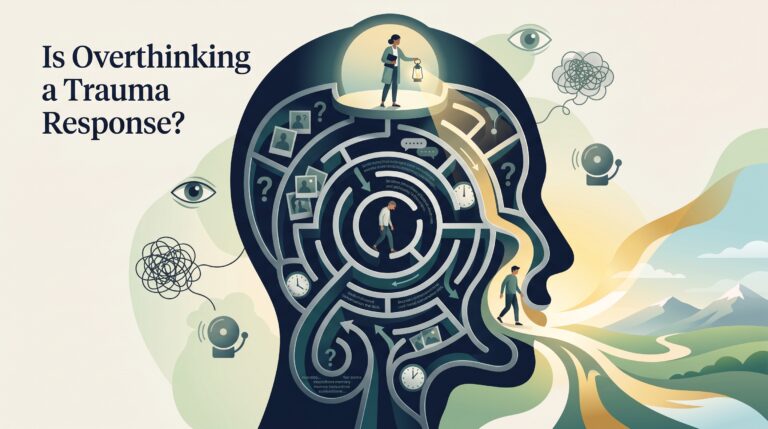
Is Overthinking a Trauma Response?


Is Overthinking a Trauma Response?

Why You Overthink Everything (And How Trauma Is Behind It)

Let me ask you something. Are you lying awake at 2:00 a.m. replaying a conversation from three weeks ago? Are you analysing every word, every facial expression, every tiny detail, searching for meanings that probably do not even exist? Are you paralysed by simple decisions, running through every possible outcome until you are completely exhausted?

If that sounds like you, I need you to hear this. You are not broken. You are not weak. And this is not just a bad habit you need to snap out of. What is happening in your mind has a name, a cause, and; most importantly, a solution. The overthinking that is consuming your life is almost certainly rooted in something much deeper than most people realise. It is rooted in trauma. And once you understand that, everything changes.

Your Brain Is Not Broken; It Is Trying to Protect You

This is the reality most people don’t hear. Mental health professionals call rumination overthinking, and it’s not a personality defect. This is a survival mechanism. Patterns of chronic overthinking have been found to often develop in childhood, in contexts of neglect, invalidation or instability, and have been used to create a sense of control and safety in what has felt out of control (Nolen-Hoeksema, Wisco and Lyubomirsky, 2008). Consider for a second. Your brain has taught you that if you think about everything, predict everything, prepare for everything, you’ll not get hurt, rejected, or surprised by any threat. Your armour was overthinking. It kept you safe. The trouble is, armour doesn’t know when the war ends.

What Is Actually Happening in Your Brain

The interesting part is here; and I mean, the science is 100% correct. Trauma impacts not only your feelings but your body as well. Changes the structure and function of your brain physically. Trauma causes the amygdala, the brain’s fear and alarm centre, to become hyperactive (Cerqueira et al., 2007). It’s constantly scanning for danger with no danger there, and essentially in high alert. Ambiguous situations and unanswered texts are raised as possible threats, as is a slightly different tone of voice.

Simultaneously, trauma impacts the parts of your brain accountable for rational reasoning, emotional regulation and impulse control, which is the prefrontal cortex. It has been found that trauma victims have increased activity in the right prefrontal cortex, directly correlated with pessimism, anxiety, and depression (Cerqueira et al., 2007). Your brain’s brakes are less effective, just when you need them.

And there is more. In people who have suffered from chronic stress, the hippocampus which is responsible for organising and contextualising memories shrinks physically (Acheson, Gresack and Risbrough, 2012). This makes a terrible cycle. Your brain can’t tell the difference between a real threat and an old trauma. So, it sees everything as an emergency. All the time. That’s not weakness. That is neuroscience.

The Five Faces of Trauma-Based Overthinking

Moving beyond trauma with overthinking is not consistent across all people. It does appear in consistent patterns, however. See if any of this sound familiar.

  1. Catastrophising: When your mind reads the smallest little piece of incomplete information, and then promptly jumps to the worst possible conclusion, that’s catastrophising. You send you boss an email and he doesn’t respond and you think you’re about to be fired. This was the result of a pattern that had grown up in their minds to never be taken aback again by the dangers that arose.
  2. Replaying the Past: Replaying the past refers to the obsessive thought reflex of old conversations, decisions and painful experiences. You’re not being tormented by your brain on purpose. It’s attempting to identify the mistake, correct the issue, and rewrite what cannot be rewritten. Hypervigilance in social situations: It means burning yourself out trying to read all the facial expressions, all the little changes of tone, all the word choices in a conversation, seeking out any initial sign of rejection or conflict. This was acquired in contexts where failure to detect those signals had tangible consequences.
  3. Personalisation: It involves taking responsibility for things that are not within your sphere of control: that it must be your fault that people are in a bad mood, reacting in some way, having some sort of problem.
  4. Black and white: Black and white thinking means no room for nuance / grey areas. There are no in-between or half-and-half scenarios, nothing is half right or half wrong, nothing is half good or half bad. The in-between or real-life portion of the world gets out of reach. Remember that you don’t label you when you recognise your pattern. It’s the first step to changing it.

The Real Cost of Living on High Alert

Overthinking can exact a cruel price. Evidence indicates that about eighty percent of people who suffer from PTSD suffer from excessive anxiety and/or rumination, highlighting how common this struggle is amongst trauma survivors (Ehring and Watkins, 2008). The mental effects are alarming. Maintained overthinking cycles can lead to a wide range of issues, including anxiety disorders, depression, obsessive thought patterns and total decision paralysis. But the physical effect is as concerning.

Your body can’t tell the difference between a real threat and a perceived threat. Each time you spiral, you activate your nervous system in full alarm mode; flooding the body with cortisol and adrenaline as if you are in danger and it is imminent. This can be seen throughout the years in the form of headaches, muscle tension, digestive issues, and chronic insomnia. High cortisol levels over time are linked to hypertension, cardiovascular disease and diabetes. Your mind and body are costing you a lot for a protection system that is no longer benefiting you.

Breaking Free: What Actually Works

This is where it counts. This isn’t a death penalty. Research is clear, and hopeful, too. People can definitely change their chronic over-thinking habits with the proper interventions. Early intervention has been found to make significant reductions in the risk of depression for individuals that are susceptible to rumination and healing can occur at any age (Watkins, 2016).

The first step is to work with a trauma-informed therapist. There are some evidence-based methods that have been developed specifically for the mechanisms underlying overthinking. CBT teaches you to recognise and alter repetitive thinking patterns, and to break the cycle before it becomes excessive (Watkins, 2008). Acceptance and Commitment Therapy (ACT) help you become mindful of your uncomfortable thoughts without them controlling you, and helps you to create distance between you and the spiral.

In the first place, EMDR, Eye Movement Desensitisation and Reprocessing; directly works on the traumatic memories triggering the overthinking, thus tackling the problem at the core. Body-based interventions are the same, as overthinking isn’t merely a mental issue, it’s a nervous system issue. Grounding techniques go straight from the brain to your nervous system without using your thinking mind. 5-4-3-2-1 is a distraction from the mental spirals and brings us back to the moment: 5 things you see, 4 things you hear, 3 things you touch, 2 things you smell, 1 thing you taste.

With time, mindfulness training can reframe the brain’s threat response, so that your nervous system can tell the difference between real threats and remnants of the past (Ehring and Watkins, 2008). And most importantly; don’t blame yourself for this. You thought it through because you needed to. This is a response that your nervous system has developed because it had a purpose and was a difficult situation at the time.

Self-compassion isn’t an easy road to take. It’s a need of the brain. Self-criticism is consistently found to trigger the very threat response it is intended to combat, and therefore to reinforce the overthinking response in the first place, making it difficult to overcome without first being kind to yourself as you would to others (Nolen-Hoeksema, Wisco and Lyubomirsky, 2008).

You Are Not Your Thoughts

Recovery does not mean your brain stops generating thoughts. It will always generate thoughts. That is what brains do. What changes is your relationship with those thoughts. They stop being commands and start being weather, something you can observe passing through without being swept away by them. You reclaim the mental and emotional energy that chronic overthinking has been consuming for years. You learn to feel safe in your own mind again.

The same brain that learned to protect you through hypervigilance can learn new and healthier ways of keeping you safe. With patience, professional support, and genuine self-compassion, the exhausting mental loops that once felt completely inevitable can grow quieter; and in their place, something most overthinkers have not felt in years begins to emerge. Stillness. Presence. Peace.

References

Acheson, D.T., Gresack, J.E. and Risbrough, V.B. (2012) ‘Hippocampal dysfunction effects on context memory: Possible links to disrupted prefrontal function in post-traumatic stress disorder’, Current Opinion in Neurobiology, 22(3), pp.522–528.

Cerqueira, J.J., Mailliet, F., Almeida, O.F., Jay, T.M. and Sousa, N. (2007) ‘The prefrontal cortex as a key target of the maladaptive response to stress’, Journal of Neuroscience, 27(11), pp.2781–2787.

Ehring, T. and Watkins, E.R. (2008) ‘Repetitive negative thinking as a transdiagnostic process’, International Journal of Cognitive Therapy, 1(3), pp.192–205.

Nolen-Hoeksema, S., Wisco, B.E. and Lyubomirsky, S. (2008) ‘Rethinking rumination’, Perspectives on Psychological Science, 3(5), pp.400–424.

Watkins, E.R. (2008) ‘Constructive and unconstructive repetitive thought’, Psychological Bulletin, 134(2), pp.163–206.

Watkins, E.R. (2016) Rumination-Focused Cognitive-Behavioural Therapy for Depression. New York: Guilford Press.

See Also

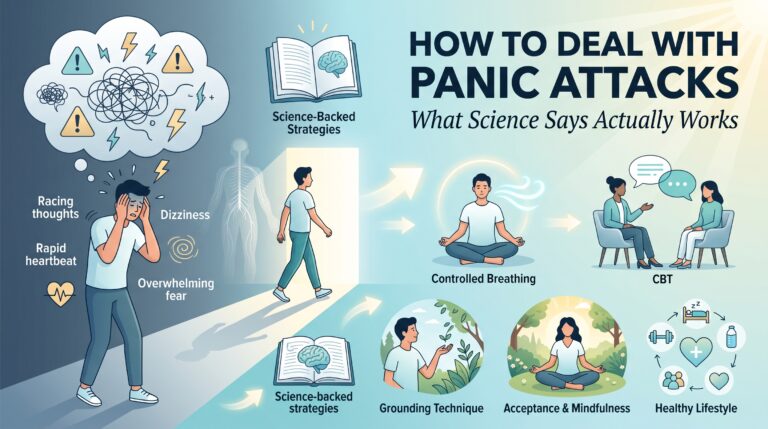
How to Deal with Panic Attacks


How to Deal with Panic Attacks

How to Deal with Panic Attacks

What Science Says Actually Works

Let me tell you something important. A panic attack cannot kill you. I know that sounds blunt. But when you are in the middle of one; heart pounding, chest tightening, convinced something is terribly wrong; that single fact can be the most powerful thing you hear. Panic attacks are not dangerous. They are not a sign that you are broken. They are your nervous system doing exactly what it was designed to do, at exactly the wrong moment.

And the good news? There is solid, science-backed evidence on exactly how to stop them, manage them, and prevent them from taking over your life. Let us get into it.

What Actually Happens During a Panic Attack?

First, you need to understand what is going on in your body. A panic attack is a feeling of intense fear, followed by intense physical reactions, when in actual fact there is no real danger. Your brain; namely, your internal alarm system, registers a situation as life-threatening and activates the fight or flight response. A response you have activated on many occasions in your past. (American Psychiatric Association, 2022).

Your system is overrun with adrenaline. Your heart races. Your breathing quickens. Your chest tightens. Your hands tingle. You experience dizziness, separation or fainting. Some people feel as if they are about to die. Some people feel like they are going crazy. That’s all not really happening. The situation is a false alarm. On your brain the button has been pushed when there isn’t any emergency. Once you understand that, you’ve made the first step toward regaining control.

Techniques To Follow

Here are some techniques/tools that can help you gaining control of yourself.

1.      Controlled Breathing, A Most Powerful Immediate Tool

If panic strikes, you’ll breathe rapidly and shallowly. This is called hyperventilation and it exacerbates each and every symptom. It lowers carbon dioxide levels in the blood, which makes you more dizzy, tingly, and feels unreal. The cure is simple yet deceptive. Take slow, deliberate breaths. Diaphragmatic breathing or “box breathing” is the technique that the research has always shown to be effective.

Take a slow, deep breath in, counting to four through your nose. Count to 4 and hold. Slowly breathe out through your mouth, counting to 4. Count to the 4th. Repeat. It immediately stimulates the body’s natural “rest and digest” system (parasympathetic nervous system) starting to counter the fight-or-flight response in as little time as minutes (Jerath et al., 2015). Do not be waiting when panic is at its highest. As soon as you become aware of your first signs of anxiety, begin breathing. Remember that you’re not escaping the fear. You are blocking it at the root.

2.      Cognitive Behavioural Therapy

If you experience panic attacks regularly, this is the intervention you need to know about. Cognitive Behavioural Therapy, or CBT, is the most extensively researched and consistently effective treatment for panic disorder available (Clark et al., 1994). It works by targeting the two things that maintain panic attacks over time; catastrophic thinking and avoidance behaviour. Catastrophic thinking occurs when your brain jumps to the worst possible conclusion when you have a physical sensation. Heart racing? Must be a heart attack. Feeling dizzy? Should be on the verge of falling.

CBT helps you recognize these thought patterns and to replace them with more logical and realistic ones. The other one is avoidance. Avoidance of places, situations and activities reinforces the panic because when you avoid it you get a reward for avoiding it (the relief). Your brain will learn that those situations are too dangerous and will make it more likely that you will panic again in the future.

This is addressed in a systematic manner in CBT by a technique called exposure; slowly and safely approaching the situations you’ve been avoiding until the brain realizes they are not a threat. CBT has been shown to be effective in reducing panic attacks and many aspects of them (Clark et al., 1994), and to have a lasting effect with many participants remaining panic-free at follow-up assessments.

3.      The 5-4-3-2-1 Grounding Technique

Panic attacks thrive on disconnection from the present moment. Your mind spirals into catastrophic future scenarios while your body is flooded with alarm signals. Grounding techniques pull you back into the here and now, fast. One of the most popular and effective grounding methods is the 5-4-3-2-1 technique. It’s very easy to work out. Notice 5 things you can see around you right now. The four things you can touch. There are three things that you can hear. There are two things that you can smell. There is one thing that you can eat. That is it. Simple, practical, and with a lot of effectiveness.

Using all five senses is a conscious way to check out any panic and focus your attention on the here and now. Grounding techniques for acute anxiety and panic symptoms have been consistently shown to be effective in breaking the negative thought cycle that underlies acute anxiety and panic (Hofmann et al., 2010). When the next time panic arises, don’t struggle with it. Ground yourself instead.

4.      Accept the Panic,  Do Not Fight It

When a panic attack reaches its peak, most people tend to try to resist it, force it out of their minds or work hard to end it. Consider the following problem. This resistance; this struggle  just heightens the panic. The fear of fear is added onto the fear and the cycle goes round and round. Acceptance-based approaches, however, are quite different, and are based on a radically different approach to therapy known as Acceptance and Commitment Therapy (ACT).

You don’t try to resist the fear, you accept it. You see it outside of judgment. You remember: It’s not harmful, it’s not dangerous, it’s uncomfortable, but it will pass. Craske et al. (2014) concluded that acceptance-based strategies were effective in reducing the intensity and duration of the panic symptoms, removing the unpleasant secondary layer of suffering that comes from trying not to think about them. If you surrender to it rather than swim against it. It’s power diminishes much more rapidly than if you fought it. Remind yourself during the next attack: This is panic, not danger. I am safe. This will pass.

5.      Lifestyle Foundations That Reduce Panic Long-Term

Panic attacks are not solely a matter of what one does while experiencing the attack. It’s all about what you do daily. The facts are indisputable. Regular physical activity, regular sleep, decreased levels of caffeine and good social support all significantly lessen panic attack frequency and intensity over time (Asmundson et al., 2013).

One of the mechanisms underlying panic disorder is anxiety sensitivity; the fear of physical sensations, with exercise demonstrating particularly significant reductions in this tendency. These factors are similar to reducing your base rate of anxiety. The lower your baseline, the less likely any particular trigger is to tip you over the edge to a full-blown panic attack. It’s not sexy to stick to a regular routine every day. However, these are the unsexy facts that lead to long-term recovery.

The Bottom Line

Panic attacks are scary. They are also very curable. Breathe deliberately. Challenge catastrophic thoughts. Focus on the here and now. Embrace it, don’t resist it. But establish the daily behaviours that will increase your protection over time. It’s not a sign of weakness to have panic attacks. You are human. So, with the correct tools, you can take charge of your life. Count from the first one.

References

American Psychiatric Association (2022) Diagnostic and Statistical Manual of Mental Disorders. 5th edn, text revision. Washington DC: APA Publishing.

Asmundson, G.J.G., Fetzner, M.G., Deboer, L.B., Powers, M.B., Otto, M.W. and Smits, J.A.J. (2013) ‘Let’s get physical: A contemporary review of the anxiolytic effects of exercise for anxiety and its disorders’, Depression and Anxiety, 30(4), pp.362–373.

Clark, D.M., Salkovskis, P.M., Hackmann, A., Middleton, H., Anastasiades, P. and Gelder, M. (1994) ‘A comparison of cognitive therapy, applied relaxation and imipramine in the treatment of panic disorder’, British Journal of Psychiatry, 164(6), pp.759–769.

Craske, M.G., Treanor, M., Conway, C., Zbozinek, T. and Vervliet, B. (2014) ‘Maximizing exposure therapy: An inhibitory learning approach’, Behaviour Research and Therapy, 58, pp.10–23.

Hofmann, S.G., Sawyer, A.T., Witt, A.A. and Oh, D. (2010) ‘The effect of mindfulness-based therapy on anxiety and depression: A meta-analytic review’, Journal of Consulting and Clinical Psychology, 78(2), pp.169–183.

Jerath, R., Crawford, M.W., Barnes, V.A. and Harden, K. (2015) ‘Self-regulation of breathing as a primary treatment for anxiety’, Applied Psychophysiology and Biofeedback, 40(2), pp.107–115.


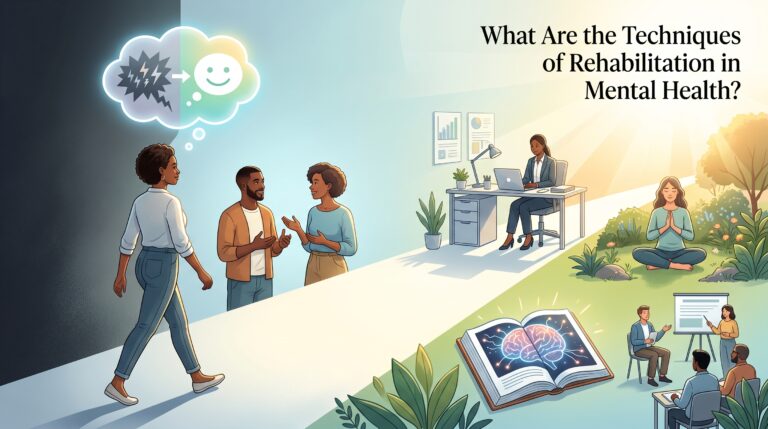
What Are the Techniques of Rehabilitation in Mental Health

Techniques of Rehabilitation in Mental Health: What Actually Works (And why)

Let me be honest with you. Mental health rehabilitation is one of the most misunderstood areas in healthcare. Most people think it means lying on a couch talking about your childhood. It does not. Mental health rehabilitation is about rebuilding your life. It is about regaining skills, restoring confidence, and returning to the things that matter most to you. It can be work, relationships, independence, and purpose.

And the science behind it? Absolutely fascinating. Whether you are recovering from depression, anxiety, schizophrenia, or trauma, rehabilitation techniques can genuinely transform outcomes. So let us break down exactly what works, why it works, and how it can help.

What Is Mental Health Rehabilitation?

Mental health rehabilitation is a process. It’s not an instant solution or one shot. The World Health Organization (2021) considers mental health rehabilitation as a package of interventions aimed at enhancing functioning and minimizing disability in people with mental health problems so they can live full and meaningful lives in their communities.

Imagine physical rehabilitation following a broken leg. You don’t have to wait for it to heal. You work at it. You gain strength, restore movement and slowly get back to life. The process of mental health rehabilitation is similar. Not only symptom reduction is the goal. The focus on recovery is on getting well. And getting well is about living the good life on your own terms.

Techniques Of Mental Health Rehabilitation

1.      Cognitive Behavioural Therapy (CBT)

The core concept of CBT is that there is a relationship between thoughts, feelings and behaviours. Change the thought, change the feeling. Change the feeling and change the behaviour. CBT helps individuals identify negative thinking patterns; the ones that keep them stuck. It helps them replace those patterns with more balanced and realistic thinking patterns. CBT is organized, action-oriented and purposeful approach. You’re not merely complaining about your issues. You are making an effort to find solutions to them.

In a large meta-analysis of more than 269 studies, Hofmann et al. (2012) concluded that CBT was highly effective in a broad spectrum of mental health problems, such as depression, anxiety disorders, post-traumatic stress disorder, and substance use. The facts are indisputable. CBT is also utilized in rehab environments for the purpose of rebuilding confidence, taking care of triggers, creating coping strategies and rebuilding into daily life. One of the most empowering tools that can be used is because it gives the person control over their mind.

2.      Social Skills Training

Here is something most people do not realise. Mental health conditions do not just affect how you feel. They affect how you connect with other people. Social withdrawal, communication difficulties, and damaged relationships are among the most common consequences of serious mental illness. Social skills training addresses this directly.

This technique involves structured, practical exercises that help individuals rebuild the interpersonal skills needed for everyday life. Some of them involve starting conversations, reading social cues, managing conflict, and maintaining relationships. Sessions are often conducted in groups, which provides a safe and supportive environment to practise these skills in real time.

Bellack et al. (2004) showed that social skills training produced significant and lasting improvements in social functioning. These skills helped individuals with schizophrenia, with benefits extending well beyond the training period itself. Connection is not a luxury in recovery. It is a necessity. And social skills training makes it possible.

3.      Supported Employment

You might be surprised to find employment on this list. But here is the truth. Work matters. Not just financially. Work gives people structure, purpose, identity, and social connection. For individuals recovering from serious mental illness, returning to meaningful employment is one of the strongest predictors of sustained recovery.

Supported employment programmes; most notably the Individual Placement and Support model provide people with direct assistance. These programmes help individuals finding and keeping competitive employment in the open labour market, while simultaneously providing ongoing mental health support. There is no lengthy pre-vocational training. You go straight into real work, with real support alongside you.

The research is compelling. Drake et al. (2012) found that supported employment programmes consistently outperformed traditional vocational rehabilitation approaches, with significantly higher rates of competitive employment achieved among participants with severe mental illness. Work is therapeutic. The evidence proves it.

4.      Mindfulness-Based Interventions

Stop for a second. Take a breath. Notice where you are right now. That is mindfulness. And it is far more powerful than it sounds. Mindfulness-based interventions; including Mindfulness-Based Cognitive Therapy (MBCT) and Mindfulness-Based Stress Reduction (MBSR) teach individuals to pay deliberate, non-judgmental attention to the present moment.

Rather than being pulled into painful memories of the past or anxious thoughts about the future, mindfulness trains the brain to stay grounded in the now. In mental health rehabilitation, this matters enormously. Rumination — the habit of replaying negative thoughts on a loop is one of the key drivers of depression and anxiety. Mindfulness interrupts that loop.

Kuyken et al. (2016) conducted a large randomised controlled trial demonstrating that MBCT was as effective as antidepressant medication in preventing relapse in individuals with recurrent depression. Thus, mindfulness is not just relaxation. It is a clinically proven rehabilitation tool.

5.       Psychoeducation

Knowledge is power. Nowhere is this true than in mental health recovery. Psychoeducation involves providing individuals; and often their families with clear, accurate, accessible information about their mental health condition. The education mostly involves causes, symptoms, and the treatment options available. It sounds simple. The impact is profound.

When people understand what is happening in their own minds and bodies, fear reduces. Stigma reduces. Treatment engagement increases. And crucially, people are better equipped to recognise early warning signs and take action before a crisis develops.

Xia et al. (2011) conducted a systematic review of psychoeducation for schizophrenia and found significant benefits in terms of medication adherence, relapse prevention, and overall quality of life. Informed people make better decisions about their own recovery. Psychoeducation makes that possible.

Putting It All Together

Here is what the science tells us clearly. Mental health rehabilitation is most effective when it is tailored, comprehensive and ongoing. No single technique is a magic bullet. The most effective rehabilitation programmes are multi-disciplinary, including therapy, social support, employment, mindfulness and education, and they aim to address the specific needs, goals and context of each person. Recovery is not linear. There will be challenges. However, a person’s ability to change is possible with the right techniques, right support and the right belief. Your diagnosis does not define you. What you do next is who you are.

References

  • Bellack, A.S., Mueser, K.T., Gingerich, S. and Agresta, J. (2004) Social Skills Training for Schizophrenia: A Step-by-Step Guide. 2nd edn. New York: Guilford Press.
  • Drake, R.E., Bond, G.R. and Becker, D.R. (2012) Individual Placement and Support: An Evidence-Based Approach to Supported Employment. New York: Oxford University Press.
  • Hofmann, S.G., Asnaani, A., Vonk, I.J.J., Sawyer, A.T. and Fang, A. (2012) ‘The efficacy of cognitive behavioural therapy: A review of meta-analyses’, Cognitive Therapy and Research, 36(5), pp.427–440.
  • Kuyken, W., Hayes, R., Barrett, B., Byng, R., Dalgleish, T. and Kessler, D. (2016) ‘Effectiveness and cost-effectiveness of mindfulness-based cognitive therapy compared with maintenance antidepressant treatment in the prevention of depressive relapse’, The Lancet, 386(9988), pp.63–73.
  • World Health Organization (2021) Geneva: WHO. Available at: https://www.who.int/news-room/fact-sheets/detail/rehabilitation (Accessed: 8 June 2026).
  • Xia, J., Merinder, L.B. and Belgamwar, M.R. (2011) ‘Psychoeducation for schizophrenia’, Cochrane Database of Systematic Reviews, Issue 6. doi:10.1002/14651858.CD002831.pub2.


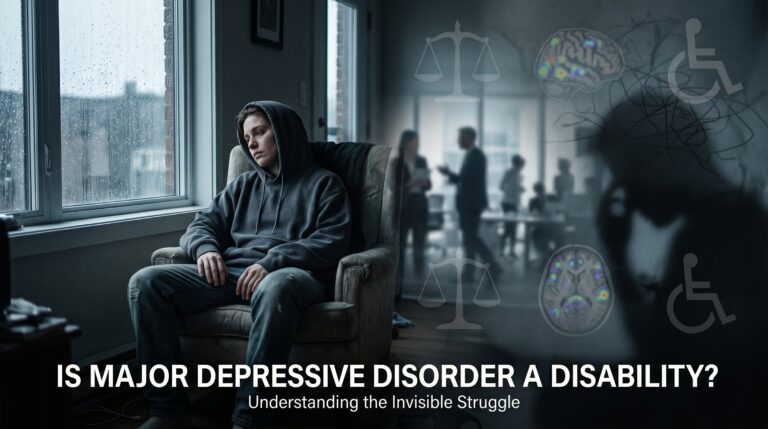
Is Major Depressive Disorder a Disability?

Is Major Depressive Disorder a Disability?

Examining the clinical, legal, and social frameworks that determine how depression is recognised and protected — and why the answer matters for millions of people worldwide.

KEY STATISTICS

  • 280 million people affected globally (WHO, 2023)
  • #1 leading cause of disability worldwide (WHO)
  • 50% of those with severe MDD report functional impairment
  • 2× more common in women than men

Introduction

Depression is among the most prevalent disabilities known in the world today but one that people fail to comprehend adequately. When one thinks of a disability, one pictures a physical disability, for example, the inability to walk without assistance. It is difficult to conceive of how a mental illness like Major Depressive Disorder (MDD) would be classified as a disability; however, when looking at both a clinical, legal, and human rights perspective, the answer is affirmative. This article will look at what MDD is, define disability from various points of view, where the two meet, and why it matters.

What is Major Depressive Disorder?

Major Depressive Disorder is the technical term used for a psychiatric disorder characterized by the occurrence of either a persistent depressed mood or anhedonia, which should be present for at least two weeks and cause clinically significant distress or impairment. As per the Diagnostic and Statistical Manual of Mental Disorders, Fifth Edition (DSM-5) published by the American Psychiatric Association, at least five of the following nine symptoms need to occur – fatigue, insomnia or hypersomnia, anorexia or weight gain, concentration difficulties, feelings of worthlessness, suicidal thoughts [1].

MDD does not simply mean sadness or a proportionate reaction to life experiences. It is an organic disorder with neurological abnormalities, such as dysregulation in neurotransmission pathways involving the serotonergic, norepinephrinergic, and dopaminergic systems, along with alterations in brain regions controlling emotions, memories, and executive functions [2]. This has been demonstrated in numerous studies conducted by the National Institute of Mental Health and other research organizations.

Defining Disability: Multiple Frameworks

No single definition of disability exists, which makes it important to establish whether MDD qualifies or not. In modern debates, at least three approaches are considered, namely, the medical approach, the social approach, and statutory definitions.

Medical Approach to Disability

The medical approach defines disability as any impairment that affects major life activities. According to this approach, MDD is undoubtedly a disability. The disorder may interfere with a patient’s work capacity, social relationships, self-care, concentration, sleeping patterns, and decision-making, and all of these activities are viewed as “major life activities” by both clinical practitioners and statutory documents [3].

Social Approach to Disability

The social approach to disability, strongly supported by the disability rights movement and theorists like Mike Oliver, emphasizes societal barriers rather than an impairment itself [4]. According to the approach, persons suffering from MDD are disabled not because of their impairments but also because society makes the condition worse. Workplaces punish absenteeism, healthcare fails to treat patients in time, and people living with a condition are subjected to stigma. This approach is especially important for MDD cases since shame might prevent them from seeking accommodations.

Legal Definitions

MDD has been legally acknowledged to be a disability in many places around the world. For instance, the Americans with Disabilities Act (ADA) of 1990, as amended in 2008, includes mental impairments which substantially affect major life activities within its scope in the United States. According to the EEOC, MDD is almost always going to satisfy this criterion in its most severe cases [5].

In the UK, the Equality Act 2010 provides a legal definition for disabilities as a physical or mental impairment which significantly and permanently affects the individual’s ability to carry out normal day-to-day activities. Recurrent depressive disorders and severe depressive episodes have been deemed as fulfilling these criteria according to Employment Tribunals [6]. Likewise, the Convention on the Rights of Persons with Disabilities, an international treaty adopted by the UN in 2006 and signed by more than 180 countries, uses a very broad definition of disabilities which includes psychosocial impairments, such as MDD [7].

“Depression is a leading cause of disability worldwide and is a major contributor to the overall global burden of disease.”
— World Health Organization, 2023

Functional Impairment: The Core Question

In the end, whether major depressive disorder counts as a disability depends upon the level of disability, or how much it interferes with daily functioning. The research is clear that MDD carries a heavy burden of disability. According to Kessler et al., major depressive disorder is associated with a great number of days out of role, or days when an individual is unable to perform typical activities, that compares favorably with many chronic physical disorders [8].


For decades now, depression has been shown by the World Health Organization’s Global Burden of Disease studies to be the leading cause of years lived with disability (YLDs). This measurement not only measures the number of years an individual is alive, but also the quality and functioning during those years. It should be emphasized that not everyone with MDD experiences disability at the same level. Indeed, the level of disability associated with major depressive disorder is variable. Some may experience one episode of depression with full remission. For others, the disability associated with major depressive disorder persists.

Stigma, Invisibility, and the Barriers to Recognition

However, in light of the above, a number of patients with MDD fail to identify themselves as having a disability and neither are the majority of employers and other institutions taking into account the clinical implications of MDD. As a result, there are a number of adverse outcomes associated with such negligence. According to research conducted by Corrigan et al., stigma and self-stigma have been identified as significant barriers to obtaining treatment as well as to requesting workplace accommodations [10].

Due to the fact that MDD is an invisible condition, it often leads to underestimating the level of impairment. Thus, a patient suffering from a serious form of depression can function normally within short social interactions, but be severely disabled by MDD when performing complex actions requiring decision-making, attention and attendance. Due to the very nature of MDD, employers are unlikely to accommodate and facilitate conditions for patients unless asked explicitly.

The ideas of sociologist Peter Conrad regarding the medicalization of the society are important for further considerations. Indeed, one should bear in mind that while some scholars argue against pathologizing human suffering, it is necessary to make a clear distinction between medicalization of everyday experiences and clinical impairment. When MDD meets diagnostic criteria and results in substantive functional limitation, its classification as a disability is not stigmatising — it is protective.

“The recurrent nature of major depression, with incomplete recovery between episodes, is a key factor in its designation as a disabling condition under most legal frameworks.”
— Scott, J. (2006). British Journal of Psychiatry

Practical Implications of Recognition

Recognising MDD as a disability carries concrete, practical consequences. Under the ADA in the US and the Equality Act in the UK, employers are obligated to make “reasonable adjustments” or “reasonable accommodations” for employees whose mental health condition meets the disability threshold. These may include flexible working hours, adjusted workloads, time off for medical appointments, or the provision of a quiet workspace.

Beyond employment, disability recognition also affects access to welfare benefits, housing support, educational adjustments, and, in some jurisdictions, the legal right to advocate for oneself in healthcare settings. The OECD’s work on mental health and work has highlighted that countries which treat mental health conditions as disabling conditions — with appropriate support frameworks — show better employment retention rates and economic outcomes for those affected [12].

Clinically, understanding that MDD is associated with disability is also critical in terms of treatment. There have been advancements made in psychotherapies such as CBT and IPT, which have proven to be effective in reducing disability days, rather than just lowering symptom scores [13]. Similarly, pharmacotherapy in the form of SSRIs and SNRIs has proven effective in terms of both symptoms and functionality, as discussed in depth by Cipriani et al. in The Lancet [14].

Conclusion

It is safe to say, by any standard of what defines a disability, whether medical, legal, or social, that Major Depressive Disorder qualifies as one, at least in its extreme form, on a regular basis. The World Health Organization states that it is the single largest source of disability in the world. It is considered a legally protected disability throughout the world. Moreover, the very real and often profound disabilities faced by those suffering from serious, recurring depression are borne out by their day-to-day existence.

While there is little question that MDD can qualify as a disability, there are more important concerns: namely, how society treats sufferers of this disease. Does it respond with accommodation or discrimination? In order to answer this question, we must first recognize that it involves a disabling problem.

This article is intended for general educational purposes and does not constitute medical or legal advice. If you or someone you know is affected by depression, please consult a qualified healthcare professional.

References

  1. American Psychiatric Association. (2013). Diagnostic and Statistical Manual of Mental Disorders (5th ed.). American Psychiatric Publishing. https://doi.org/10.1176/appi.books.9780890425596
  2. Nestler, E. J., Barrot, M., DiLeone, R. J., Eisch, A. J., Gold, S. J., & Monteggia, L. M. (2002). Neurobiology of depression. Neuron, 34(1), 13-25. https://doi.org/10.1016/S0896-6273(02)00653-0
  3. World Health Organization. (2023). Depression [Fact sheet]. WHO. https://www.who.int/news-room/fact-sheets/detail/depression
  4. Oliver, M. (1990). The Politics of Disablement. Macmillan Education.
  5. U.S. Equal Employment Opportunity Commission. (2009). Notice Concerning the Americans with Disabilities Act (ADA) Amendments Act of 2008. EEOC. https://www.eeoc.gov/statutes/ada-amendments-act-2008
  6. UK Government Equalities Office. (2010). Equality Act 2010: Guidance on matters to be taken into account in determining questions relating to the definition of disability. The Stationery Office.
  7. United Nations. (2006). Convention on the Rights of Persons with Disabilities. UN General Assembly Resolution A/RES/61/106.
  8. Kessler, R. C., Berglund, P., Demler, O., Jin, R., Merikangas, K. R., & Walters, E. E. (2005). Lifetime prevalence and age-of-onset distributions of DSM-IV disorders in the National Comorbidity Survey Replication. Archives of General Psychiatry, 62(6), 593-602. https://doi.org/10.1001/archpsyc.62.6.593
  9. GBD 2019 Mental Disorders Collaborators. (2022). Global, regional, and national burden of 12 mental disorders in 204 countries and territories, 1990-2019. The Lancet Psychiatry, 9(2), 137-150. https://doi.org/10.1016/S2215-0366(21)00395-3
  10. Corrigan, P. W., Druss, B. G., & Perlick, D. A. (2014). The impact of mental illness stigma on seeking and participating in mental health care. Psychological Science in the Public Interest, 15(2), 37-70. https://doi.org/10.1177/1529100614531398
  11. Conrad, P. (2007). The Medicalization of Society: On the Transformation of Human Conditions into Treatable Disorders. The Johns Hopkins University Press.
  12. OECD. (2012). Sick on the Job? Myths and Realities about Mental Health and Work. OECD Publishing. https://doi.org/10.1787/9789264124523-en
  13. Cuijpers, P., Quero, S., Dowrick, C., & Arroll, B. (2019). Psychological treatment of depression in primary care: Recent developments. Current Psychiatry Reports, 21(12), 129. https://doi.org/10.1007/s11920-019-1117-x
  14. Cipriani, A., Furukawa, T. A., Salanti, G., Chaimani, A., Atkinson, L. Z., Ogawa, Y., & Geddes, J. R. (2018). Comparative efficacy and acceptability of 21 antidepressant drugs for the acute treatment of adults with major depressive disorder. The Lancet, 391(10128), 1357-1366. https://doi.org/10.1016/S0140-6736(17)32802-7


How To Unlock Repressed Memories on Your Own Childhood Trauma?

0

Traumatic experiences are not easy to process through the human mind, and several individuals would be wondering whether they can access some of the painful childhood memories without assistance. Although the idea of unlocking the repressed memories is a trend in media and self-help books, the recent studies in psychology point to the more subtle concept of memory, trauma, and recall.


Understanding Memory and Trauma

Memory does not act like a video recorder. Rather, we have been shown to rebuild memories whenever we recall them based on our present emotions, knowledge and context (Loftus and Pickrell, 1995). In the case of childhood trauma, certain experiences can be hard to access, not because the events are in a repression chamber and are awaiting unveiling, but due to the way the developing brains encode emotionally traumatizing events. 

Memories of a traumatic experience are usually placed on a continuum. There are people who have the fragmented or incomplete memories of painful experiences and those who have clear memories of event and do not want to think about it. It has been found that complete amnesia of known traumatic events is quite uncommon, but this may happen (McNally, 2003). Frequently, individuals might experience unclear impressions, emotional responses, or body cues that are related to the previous experiences without explicit narrative memories.

How To Unlock Repressed Memories on Your Own Childhood Trauma?

Safe Approaches to Exploring Your Past

There are a number of evidence-based strategies that can be used to achieve that, yet it is highly advisable to use the services of a qualified therapist to go through with the trauma. 

  1. Journaling And Free Writing

To bring memories and feelings to the surface, journaling and free writing can be used. Self-censorship can also be useful because writing about your childhood, your family life, or about certain periods of your life without censoring yourself can allow you to realize some patterns or remember some details that you forgot. This should not be forced but must also be gentle (Pennebaker and Smyth, 2016). 

  1. Examining Photographs and Memorabilia

The analysis of photographs and memorabilia can arouse real memories with the help of environmental stimuli. Seeing childhood photographs, going to the old districts or checking family records can be automatically associated with memories. Note though that these prompts are also prone to the creation of memories relying on tales you have heard as opposed to those that you have had. 

  1. Mindfulness and Body Awareness

The practices of mindfulness and body awareness can assist you to become aware of how your body has responses to past experiences. Trauma usually has a physical or tension form or a reaction that is emotional and is out of proportion to the existing situation. Such practices as gentle yoga, meditation, or somatic experiencing can raise awareness of such patterns (van der Kolk, 2014). 

  1. Seeking Support from Family

Discussion with family members may help put things into perspective and narrow gaps, but what they remember, according to others, is their interpretation than the truth. The experiences of each individual and mood are coloured by family stories.

How To Unlock Repressed Memories on Your Own Childhood Trauma?

Important Cautions

The idea of retrieving repressed memory was not established without controversy in the 1990s when it was found that false memories were easily fabricated using suggestive methods of therapy (Loftus, 1993). Even therapists with good intentions to apply hypnosis, guided imagery, or leading questions occasionally unintentionally assisted the client in building rich images of events that did not happen. 

This does not imply that every delayed memory is false, but it raises important issues: memories retrieved via extremely suggestive methods are in fact the most unreliable; memories retrieved in a slow and spontaneous manner tend to be more reliable than those achieved through conscious memory retrieval efforts; and that the feeling of a memory does not necessarily make it accurate. 

It should not be used with techniques that indicate that they will reclaim certain memories, particularly those resulting in hypnosis, age regression, or guided visualization devoted to the discovery of abuse. These techniques have high chances of producing false memories and even actual mental damage.

When to Seek Professional Help?

A trauma-informed therapist is worth working with when investigating painful childhood experiences. Find practitioners familiar with evidence-based practice such as Cognitive Processing Therapy, Eye Movement Desensitization and Reprocessing (EMDR) or trauma-focused cognitive behavioural therapy. The techniques are useful in processing traumatic content in a safe way without necessarily having to have descriptive memories about all the events. 

How To Unlock Repressed Memories on Your Own Childhood Trauma?

How To

Some of the red flags are therapists who claim you have to have repressed memories, they require you to employ suggestive memory recovery techniques, and that most psychological issues are caused by forgotten abuse. Ethical therapists understand the fallibility of memory and are concerned with your present symptoms and functioning and not archaeological investigations into your past.

Conclusion

Instead of perceiving childhood memory exploration as the process of uncovering some sort of hidden truth, treat it as a process of learning more about yourself. Other recollections can be spontaneous and arise in your current life due to the fact that you have established safety. Other people can be either incomplete or vague, and that is all right. It is not about remembering all the details of your past and the best thing is knowing how what happened to you has moulded you and how you can now invent some techniques to live in the present.

References 

  • Loftus, E. F. (1993). The reality of repressed memories. American Psychologist, 48(5), 518-537.

  • Loftus, E. F., & Pickrell, J. E. (1995). The formation of false memories. Psychiatric Annals, 25(12), 720-725.

  • McNally, R. J. (2003). Remembering trauma. Harvard University Press.

  • Pennebaker, J. W., & Smyth, J. M. (2016). Opening up by writing it down: How expressive writing improves health and eases emotional pain. Guilford Press.

  • van der Kolk, B. (2014). The body keeps the score: Brain, mind, and body in the healing of trauma. Viking

How To Unlock Repressed Memories on Your Own Childhood Trauma?

0

How To Unlock Repressed Memories on Your Own Childhood Trauma?

Traumatic experiences are not easy to process through the human mind, and several individuals would be wondering whether they can access some of the painful childhood memories without assistance. Although the idea of unlocking the repressed memories is a trend in media and self-help books, the recent studies in psychology point to the more subtle concept of memory, trauma, and recall.

How To Unlock Repressed Memories on Your Own Childhood Trauma?

Understanding Memory and Trauma

Memory does not act like a video recorder. Rather, we have been shown to rebuild memories whenever we recall them based on our present emotions, knowledge and context (Loftus and Pickrell, 1995). In the case of childhood trauma, certain experiences can be hard to access, not because the events are in a repression chamber and are awaiting unveiling, but due to the way the developing brains encode emotionally traumatizing events.

Memories of a traumatic experience are usually placed on a continuum. There are people who have the fragmented or incomplete memories of painful experiences and those who have clear memories of event and do not want to think about it. It has been found that complete amnesia of known traumatic events is quite uncommon, but this may happen (McNally, 2003). Frequently, individuals might experience unclear impressions, emotional responses, or body cues that are related to the previous experiences without explicit narrative memories.

How To Unlock Repressed Memories on Your Own Childhood Trauma?

Safe Approaches to Exploring Your Past

There are a number of evidence-based strategies that can be used to achieve that, yet it is highly advisable to use the services of a qualified therapist to go through with the trauma.

1.      Journaling And Free Writing

To bring memories and feelings to the surface, journaling and free writing can be used. Self-censorship can also be useful because writing about your childhood, your family life, or about certain periods of your life without censoring yourself can allow you to realize some patterns or remember some details that you forgot. This should not be forced but must also be gentle (Pennebaker and Smyth, 2016).

2.      Examining Photographs and Memorabilia

The analysis of photographs and memorabilia can arouse real memories with the help of environmental stimuli. Seeing childhood photographs, going to the old districts or checking family records can be automatically associated with memories. Note though that these prompts are also prone to the creation of memories relying on tales you have heard as opposed to those that you have had.

3.      Mindfulness and Body Awareness

The practices of mindfulness and body awareness can assist you to become aware of how your body has responses to past experiences. Trauma usually has a physical or tension form or a reaction that is emotional and is out of proportion to the existing situation. Such practices as gentle yoga, meditation, or somatic experiencing can raise awareness of such patterns (van der Kolk, 2014).

4.      Seeking Support from Family

Discussion with family members may help put things into perspective and narrow gaps, but what they remember, according to others, is their interpretation than the truth. The experiences of each individual and mood are coloured by family stories.

How To Unlock Repressed Memories on Your Own Childhood Trauma?

Important Cautions

The idea of retrieving repressed memory was not established without controversy in the 1990s when it was found that false memories were easily fabricated using suggestive methods of therapy (Loftus, 1993). Even therapists with good intentions to apply hypnosis, guided imagery, or leading questions occasionally unintentionally assisted the client in building rich images of events that did not happen.

This does not imply that every delayed memory is false, but it raises important issues: memories retrieved via extremely suggestive methods are in fact the most unreliable; memories retrieved in a slow and spontaneous manner tend to be more reliable than those achieved through conscious memory retrieval efforts; and that the feeling of a memory does not necessarily make it accurate.

It should not be used with techniques that indicate that they will reclaim certain memories, particularly those resulting in hypnosis, age regression, or guided visualization devoted to the discovery of abuse. These techniques have high chances of producing false memories and even actual mental damage.

How To Unlock Repressed Memories on Your Own Childhood Trauma?

When to Seek Professional Help?

A trauma-informed therapist is worth working with when investigating painful childhood experiences. Find practitioners familiar with evidence-based practice such as Cognitive Processing Therapy, Eye Movement Desensitization and Reprocessing (EMDR) or trauma-focused cognitive behavioural therapy. The techniques are useful in processing traumatic content in a safe way without necessarily having to have descriptive memories about all the events.

Some of the red flags are therapists who claim you have to have repressed memories, they require you to employ suggestive memory recovery techniques, and that most psychological issues are caused by forgotten abuse. Ethical therapists understand the fallibility of memory and are concerned with your present symptoms and functioning and not archaeological investigations into your past.

Conclusion

Instead of perceiving childhood memory exploration as the process of uncovering some sort of hidden truth, treat it as a process of learning more about yourself. Other recollections can be spontaneous and arise in your current life due to the fact that you have established safety. Other people can be either incomplete or vague, and that is all right. It is not about remembering all the details of your past and the best thing is knowing how what happened to you has moulded you and how you can now invent some techniques to live in the present.

References

  • Loftus, E. F. (1993). The reality of repressed memories. American Psychologist, 48(5), 518-537.
  • Loftus, E. F., & Pickrell, J. E. (1995). The formation of false memories. Psychiatric Annals, 25(12), 720-725.
  • McNally, R. J. (2003). Remembering trauma. Harvard University Press.
  • Pennebaker, J. W., & Smyth, J. M. (2016). Opening up by writing it down: How expressive writing improves health and eases emotional pain. Guilford Press.
  • van der Kolk, B. (2014). The body keeps the score: Brain, mind, and body in the healing of trauma. Viking

Also Read:

Why is Counselling Important? A Comprehensive Guide

Why is Counselling Important? A Comprehensive Guide

0

Why is counselling important? First, let’s understand what counselling really is. Counselling is a relationship between a client and a trained professional which seeks to enable self-development, solve problems as well as promote psychological health. Counselling is unlike casual advice-giving or friendly chatting in that it involves particular therapeutic methods, professional boundaries and evidence-based practice which is used to guide the individual on how to deal with life challenges, process emotions and experiences, and how to think and act in healthier ways.

Moreover, counselling is a confidential non-judgmental relationship in which the individual shares thoughts, feelings, and experiences, the counsellor listens actively and responds with therapeutic interventions. Such professional assistance may be life changing to an individual with mental health issues, a crowding transition in life, relationship problems, or just the desire to gain more self-awareness and self-growth.

Understanding the Counselling Process. Why is counselling important? 

The process of counselling is usually started with an assessment period during which the counsellor and client mutually determine issues of concern, outline goals and formulate a treatment strategy. The sessions tend to take place once a week or once a fortnight and last around 50 minutes, but again depend on the needs of the person as well as the method of therapy being applied. The therapeutic nature of the counselling relationship is in itself therapeutic.

The quality of the relationship between counsellor and client is reliable, as it is a predictor of positive outcomes with the highest strength consistently (Norcross and Lambert, 2018). A qualified counsellor establishes the space in which the clients may be safe enough to explore painful feelings, disruptive habits, and new forms of existence. Counselling is not similar to other helping relationships. Although friends and relatives are helpful, they do not provide counsellors with special training, objectivity, and professional ethics. They do not force their values or solutions; they just assist the clients find their solutions after a guided exploration and evidence-based methods.

Why is counselling important?

The Eight Core Generic Counselling Approaches

Although there are hundreds of the specific counselling modalities, most of the current practice is based on eight theoretical orientations. Knowledge of these techniques may assist people to make better judgments on what kind of counselling may best apply to them.

1. Psychodynamic Counselling

Psychodynamic counselling is based on the ideas of Sigmund Freud and subsequent psychologists, investigating how the unconscious and childhood experiences influence the present behaviour, relationships and emotional patterns. This theory presumes that childhood conflicts remain unresolved in adulthood, usually without being consciously realized.

Psychodynamic counsellors enable the clients to have an insight about the patterns they recurrently face, the causes of their hardships and resolve their past unresolved emotional business. Other methods are free association, dream analysis and special consideration to the therapeutic relationship itself which is usually reflective of other significant relationships. This method is more of a long-term commitment but may result in significant self-awareness and permanent change (Shedler, 2010).

2. Person-Centered Counselling

Person-centered counselling, which was developed by Carl Rogers, relies on the assumption that people have an intrinsic ability to develop and to heal themselves under the right therapeutic circumstances. The counsellor is expected to be non-directive, non-interpreting, and consistently offer a positive regard, empathic understanding, and authenticity.

The counsellor places his or her trust in the client in this way and aims at developing a relationship of acceptance, warmth, and deep listening. Person-centered counselling focuses on the here and now moment and does not question the validity of subjective realities of clients. It is an applicable method to individuals who are in need of self-discovery, misunderstood, or those who are grieving and losing (Rogers, 1961).

3. Cognitive Behavioural Therapy (CBT)

CBT is a goal-focused, structured method that analyses the relationship between thoughts, feelings and behaviours. On the assumption that some of the roots of psychological problems lie in unhelpful ways of thinking and in what is learnt, CBT imparts practical skills in responding to such ways of thinking by recognizing and transforming them. Counsellors who employ the CBT approach assist the clients to identify cognitive distortions, including all-or-nothing, catastrophizing, or mind-reading thoughts and substitute them with more balanced and realistic thoughts. The clients are taught certain strategies such as thought records, behaviour experiments and exposure exercises in order to dispute anxiety-triggering situations. CBT is very useful with depression, anxiety disorders, phobias, and obsessive-compulsive disorder with the results usually achieved within 12 to 20 sessions (Beck, 2011).

Why counselling is important

4. Behavioural Counselling

As behavioural counselling insists on observable behaviours as opposed to internal thoughts or feelings, it uses the concepts of the learning theory to change problem behaviours. The perspective considers most behaviors as learned reactions that are either unlearned or substituted by much healthier ones. Contingency management, behavioural activation and systematic desensitization of phobias are the techniques that behavioural counsellors employ.

They could utilize positive reinforcement, extinction process, or modeling in order to mold desirable behaviors. This method is especially useful to address particular behavioral issues such as addictions, eating disorders or habit-related issues, as well as will be used in conjunction with cognitive methods in contemporary practice (Craske, 2010).

5. Gestalt Counselling

Gestalt therapy focuses on the present awareness, individual responsibility and integration of the fractured parts of self. This experiential method is developed by Fritz Perls and helps clients concentrate on the thoughts, emotions, and the physical feelings they experience in the present instead of the analysis of the past. Gestalt counsellors apply imaginative methods, the empty chair exercise and experiments which increase awareness of avoidance patterns, or unfinished business, the clients talk to various parts of themselves or other important people in their lives.

The strategy focuses on genuine touch, fosters clients to possess their experiences by utilizing I statements and operates with polarities in the personality. Gestalt therapy can be useful in making the client more self-aware, conflict resolution, and building of emotional authenticity (Perls, 1969).

6. Existential Counselling

Existential counselling answers some of the most basic questions of human being meaning of life, freedom, responsibility, death, isolation and authenticity. Instead of treating patients as people with disorders who need correction, existential counsellors consider them to be struggling with universal human issues. The philosophy assists clients to explore values, decisions and meaning that they make in life. The existential counsellors dwell on issues such as anxiety over being free and responsible, finding meaning, facing the reality of death, and the boldness of living an authentic life despite the uncertainty that surrounds life. This style is attractive to individuals experiencing significant changes in their lives, loneliness, and crisis, and those interested in a more philosophical investigation of their experiences (Yalom, 1980).

7. Integrative and Eclectic Counselling

Many counsellors are practising in an integrative manner and therefore attending to the needs of each client by relying on several theoretical orientations since it is recognised that there is not a single approach that suits every patient. Integrative counsellors are trained in various approaches and critically apply techniques depending on what the research and clinical experience indicate will best be useful. Other integrative counsellors adhere to well-known integrative models where particular approaches are systematically combined, whereas others are more eclectic, and they choose techniques on a case-by-case basis.

This flexibility enables counsellors to work with the entire person: thoughts, feelings, behaviors, relationships, and meaning-making and change their approach over the course of therapy. A coherent conceptual framework and a lot of training is needed to ensure inconsistency is not created in integrative practice (Norcross and Goldfried, 2005).

8. Solution-Focused Brief Therapy (SFBT)

The future-focused approach of SFBT is based on the strengths and aims to highlight the solutions instead of the problems. Rather than digging into the causes and specifics of problems, solution-focused counsellors assist clients in visualising how they would like their future to be, and finding small steps, which they can manage and make to achieve that future. The most effective ones are the miracle question (imagine life without the problem vanishing overnight) and the scaling questions (where the measure of improvement is the difference between the current level and the initial level), and determining exceptions (when the problem is less intense or is absent).

The SFBT counsellors believe that their clients possess the necessary resources and strengths required to resolve their issues and discuss what is working instead of what is wrong. This is an effective method that is usually found to yield results in a number of 3-8 sessions and is effective when dealing with specific, concrete problems and clients who enjoy short and practical interventions (de Shazer, 1985).

How Counselling Helps People?

Counselling helps individuals in many ways that are intertwined. In the most basic terms, it brings emotional validation and minimizes the loneliness that can be a part of mental struggle. Just by listening without being judged is healing in itself. Counselling increases self-realisation, which enables individuals to realise their feelings, identify the trends in their thoughts and behaviours, and how past experiences affect the current performance. This heightened awareness allows more conscious and deliberate decision-making and less conscious reflexes.

With the help of counselling, individuals acquire useful coping strategies in dealing with stress, controlling emotions, interpersonal communication, and problem-solving skills. These are the skills that are not confined in the therapy room but in every part of life which develop resilience and adaptive capacity. Emotional processing is also enabled through counselling. Numerous psychological challenges have to do with raw feelings: grief that was not grieved, anger that was not vented, trauma that was not assimilated. Counselling gives a secure vessel to these emotions to be felt and worked out.

In the case of relationship problems, counselling enhances interpersonal competency, communication style and how to develop healthy boundaries. It makes individuals comprehend the interactions of relationships and form more fulfilling relations with other individuals. Above all, counselling may lead to a true personal development and self-realization. In addition to alleviating their symptoms, a lot of individuals seek counselling as a way of exploring their values, creating authenticity, gaining much meaning and purpose and becoming the individuals they want to be.

When to Seek Counselling?

It is difficult to know when to use professional assistance. Counselling can help many individuals even before they are in a crisis as many wait to engage a counselor. Consider counselling, in case of continuous sadness, anxiety, or mood shifts during more than two weeks. In case you are struggling to perform day-to-day duties in your career, at school, or in the family because of emotional or psychological difficulties, expert assistance can be provided. The nature of problems with relationships that are not getting better despite your maximum effort, with your partners, family members, and colleagues, is also a good area of improvement by counselling.

It is the same case in case you have gone through some trauma or loss or any significant life change such as divorce or loss of a job or a severe illness; counselling will be very important in the process of passing through these hardships. An out-of-control substance use, self-harm or suicide thoughts, or emotional numbness and detachment with life are some of the important factors to help with urgently. Do not allow these worries to develop. Counselling is not only useful when you are in crisis.

A lot of individuals consult counselling in terms of personal development, in order to know themselves better, enhance their interpersonal relationships, or to resolve existing patterns that restrict their potential. Even in times that you are stuck, lost or lost in the meaning and purpose of life; counselling is also helpful. Unexplained physical symptoms, such as chronic pain, stomach trouble, headaches, or lethargy, can contain some psychological elements that can be solved through counselling. Likewise, when friends or family members have made any comment about your wellbeing, it is worth considering what they have to say.

Finding the Right Counsellor

As the counsellor-client relationship is critical in results, you need to find an individual that you are comfortable with and that you trust. Find licensed or registered professionals having the right credentials in your area. Most counsellors will give you a preliminary consultation so that you can see how well their style and their personality match up with you. Do not be afraid to inquire of would-be counsellors regarding their training and theoretical orientation and experience in dealing with your specific issues and what you will get out of the collaboration.

An excellent counsellor will embrace such questions and will assist you in making a wise choice. In case you do not feel that the relationship is bearing results after a couple of sessions, it is only proper that you talk with your counsellor or find services elsewhere. The therapeutic alliance must be safe, cooperative and conducive to development.

Conclusion

Counselling is a potent tool that helps to manage mental health issues, cope with life problems, and seek self-development. There are many different methods of counselling available, such as the psychodynamic exploration or solution-oriented ones, so that there is a kind of counselling that fits the needs and preferences of virtually any person.

Counselling is a brave and self-caring initiative and not a weakness. You may be grappling with certain symptoms, encounter challenging life situations or just wishing to live a better and more authentic life, professional counselling support can guide you to a higher level of wellbeing and satisfaction.

For more articles visit our site: Cognitive Conditioning

References

Beck, J. S. (2011). Cognitive behavior therapy: Basics and beyond (2nd ed.). Guilford Press.
Craske, M. G. (2010). Cognitive-behavioral therapy. American Psychological Association.
de Shazer, S. (1985). Keys to solution in brief therapy. W.W. Norton & Company.
Norcross, J. C., & Goldfried, M. R. (Eds.). (2005). Handbook of psychotherapy integration (2nd ed.). Oxford University Press.