

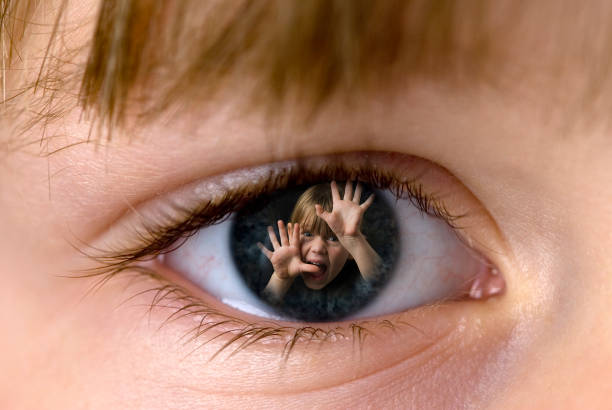
Traumatic experiences are not easy to process through the human mind, and several individuals would be wondering whether they can access some of the painful childhood memories without assistance. Although the idea of unlocking the repressed memories is a trend in media and self-help books, the recent studies in psychology point to the more subtle concept of memory, trauma, and recall.
Understanding Memory and Trauma
Memory does not act like a video recorder. Rather, we have been shown to rebuild memories whenever we recall them based on our present emotions, knowledge and context (Loftus and Pickrell, 1995). In the case of childhood trauma, certain experiences can be hard to access, not because the events are in a repression chamber and are awaiting unveiling, but due to the way the developing brains encode emotionally traumatizing events.
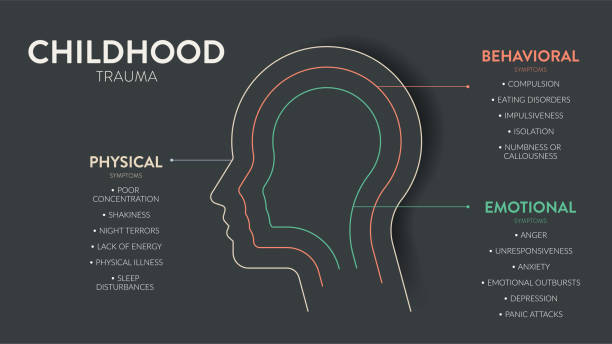
Memories of a traumatic experience are usually placed on a continuum. There are people who have the fragmented or incomplete memories of painful experiences and those who have clear memories of event and do not want to think about it. It has been found that complete amnesia of known traumatic events is quite uncommon, but this may happen (McNally, 2003). Frequently, individuals might experience unclear impressions, emotional responses, or body cues that are related to the previous experiences without explicit narrative memories.
Safe Approaches to Exploring Your Past
There are a number of evidence-based strategies that can be used to achieve that, yet it is highly advisable to use the services of a qualified therapist to go through with the trauma.
-
Journaling And Free Writing
To bring memories and feelings to the surface, journaling and free writing can be used. Self-censorship can also be useful because writing about your childhood, your family life, or about certain periods of your life without censoring yourself can allow you to realize some patterns or remember some details that you forgot. This should not be forced but must also be gentle (Pennebaker and Smyth, 2016).
-
Examining Photographs and Memorabilia
The analysis of photographs and memorabilia can arouse real memories with the help of environmental stimuli. Seeing childhood photographs, going to the old districts or checking family records can be automatically associated with memories. Note though that these prompts are also prone to the creation of memories relying on tales you have heard as opposed to those that you have had.
-
Mindfulness and Body Awareness
The practices of mindfulness and body awareness can assist you to become aware of how your body has responses to past experiences. Trauma usually has a physical or tension form or a reaction that is emotional and is out of proportion to the existing situation. Such practices as gentle yoga, meditation, or somatic experiencing can raise awareness of such patterns (van der Kolk, 2014).
-
Seeking Support from Family
Discussion with family members may help put things into perspective and narrow gaps, but what they remember, according to others, is their interpretation than the truth. The experiences of each individual and mood are coloured by family stories.

Important Cautions
The idea of retrieving repressed memory was not established without controversy in the 1990s when it was found that false memories were easily fabricated using suggestive methods of therapy (Loftus, 1993). Even therapists with good intentions to apply hypnosis, guided imagery, or leading questions occasionally unintentionally assisted the client in building rich images of events that did not happen.
This does not imply that every delayed memory is false, but it raises important issues: memories retrieved via extremely suggestive methods are in fact the most unreliable; memories retrieved in a slow and spontaneous manner tend to be more reliable than those achieved through conscious memory retrieval efforts; and that the feeling of a memory does not necessarily make it accurate.
It should not be used with techniques that indicate that they will reclaim certain memories, particularly those resulting in hypnosis, age regression, or guided visualization devoted to the discovery of abuse. These techniques have high chances of producing false memories and even actual mental damage.
When to Seek Professional Help?
A trauma-informed therapist is worth working with when investigating painful childhood experiences. Find practitioners familiar with evidence-based practice such as Cognitive Processing Therapy, Eye Movement Desensitization and Reprocessing (EMDR) or trauma-focused cognitive behavioural therapy. The techniques are useful in processing traumatic content in a safe way without necessarily having to have descriptive memories about all the events.

How To
Some of the red flags are therapists who claim you have to have repressed memories, they require you to employ suggestive memory recovery techniques, and that most psychological issues are caused by forgotten abuse. Ethical therapists understand the fallibility of memory and are concerned with your present symptoms and functioning and not archaeological investigations into your past.
Conclusion
Instead of perceiving childhood memory exploration as the process of uncovering some sort of hidden truth, treat it as a process of learning more about yourself. Other recollections can be spontaneous and arise in your current life due to the fact that you have established safety. Other people can be either incomplete or vague, and that is all right. It is not about remembering all the details of your past and the best thing is knowing how what happened to you has moulded you and how you can now invent some techniques to live in the present.
References
-
Loftus, E. F. (1993). The reality of repressed memories. American Psychologist, 48(5), 518-537.
-
Loftus, E. F., & Pickrell, J. E. (1995). The formation of false memories. Psychiatric Annals, 25(12), 720-725.
-
McNally, R. J. (2003). Remembering trauma. Harvard University Press.
-
Pennebaker, J. W., & Smyth, J. M. (2016). Opening up by writing it down: How expressive writing improves health and eases emotional pain. Guilford Press.
-
van der Kolk, B. (2014). The body keeps the score: Brain, mind, and body in the healing of trauma. Viking
Leave a Reply