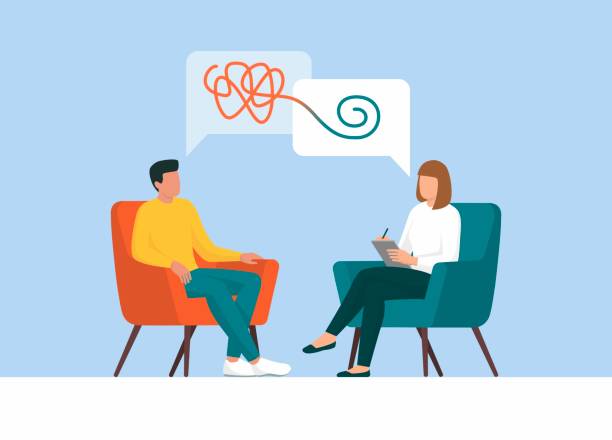
Why is counselling important? First, let’s understand what counselling really is. Counselling is a relationship between a client and a trained professional which seeks to enable self-development, solve problems as well as promote psychological health. Counselling is unlike casual advice-giving or friendly chatting in that it involves particular therapeutic methods, professional boundaries and evidence-based practice which is used to guide the individual on how to deal with life challenges, process emotions and experiences, and how to think and act in healthier ways.
Moreover, counselling is a confidential non-judgmental relationship in which the individual shares thoughts, feelings, and experiences, the counsellor listens actively and responds with therapeutic interventions. Such professional assistance may be life changing to an individual with mental health issues, a crowding transition in life, relationship problems, or just the desire to gain more self-awareness and self-growth.
Understanding the Counselling Process. Why is counselling important?
The process of counselling is usually started with an assessment period during which the counsellor and client mutually determine issues of concern, outline goals and formulate a treatment strategy. The sessions tend to take place once a week or once a fortnight and last around 50 minutes, but again depend on the needs of the person as well as the method of therapy being applied. The therapeutic nature of the counselling relationship is in itself therapeutic.
The quality of the relationship between counsellor and client is reliable, as it is a predictor of positive outcomes with the highest strength consistently (Norcross and Lambert, 2018). A qualified counsellor establishes the space in which the clients may be safe enough to explore painful feelings, disruptive habits, and new forms of existence. Counselling is not similar to other helping relationships. Although friends and relatives are helpful, they do not provide counsellors with special training, objectivity, and professional ethics. They do not force their values or solutions; they just assist the clients find their solutions after a guided exploration and evidence-based methods.
The Eight Core Generic Counselling Approaches
Although there are hundreds of the specific counselling modalities, most of the current practice is based on eight theoretical orientations. Knowledge of these techniques may assist people to make better judgments on what kind of counselling may best apply to them.
1. Psychodynamic Counselling
Psychodynamic counselling is based on the ideas of Sigmund Freud and subsequent psychologists, investigating how the unconscious and childhood experiences influence the present behaviour, relationships and emotional patterns. This theory presumes that childhood conflicts remain unresolved in adulthood, usually without being consciously realized.
Psychodynamic counsellors enable the clients to have an insight about the patterns they recurrently face, the causes of their hardships and resolve their past unresolved emotional business. Other methods are free association, dream analysis and special consideration to the therapeutic relationship itself which is usually reflective of other significant relationships. This method is more of a long-term commitment but may result in significant self-awareness and permanent change (Shedler, 2010).
2. Person-Centered Counselling
Person-centered counselling, which was developed by Carl Rogers, relies on the assumption that people have an intrinsic ability to develop and to heal themselves under the right therapeutic circumstances. The counsellor is expected to be non-directive, non-interpreting, and consistently offer a positive regard, empathic understanding, and authenticity.
The counsellor places his or her trust in the client in this way and aims at developing a relationship of acceptance, warmth, and deep listening. Person-centered counselling focuses on the here and now moment and does not question the validity of subjective realities of clients. It is an applicable method to individuals who are in need of self-discovery, misunderstood, or those who are grieving and losing (Rogers, 1961).
3. Cognitive Behavioural Therapy (CBT)
CBT is a goal-focused, structured method that analyses the relationship between thoughts, feelings and behaviours. On the assumption that some of the roots of psychological problems lie in unhelpful ways of thinking and in what is learnt, CBT imparts practical skills in responding to such ways of thinking by recognizing and transforming them. Counsellors who employ the CBT approach assist the clients to identify cognitive distortions, including all-or-nothing, catastrophizing, or mind-reading thoughts and substitute them with more balanced and realistic thoughts. The clients are taught certain strategies such as thought records, behaviour experiments and exposure exercises in order to dispute anxiety-triggering situations. CBT is very useful with depression, anxiety disorders, phobias, and obsessive-compulsive disorder with the results usually achieved within 12 to 20 sessions (Beck, 2011).
4. Behavioural Counselling
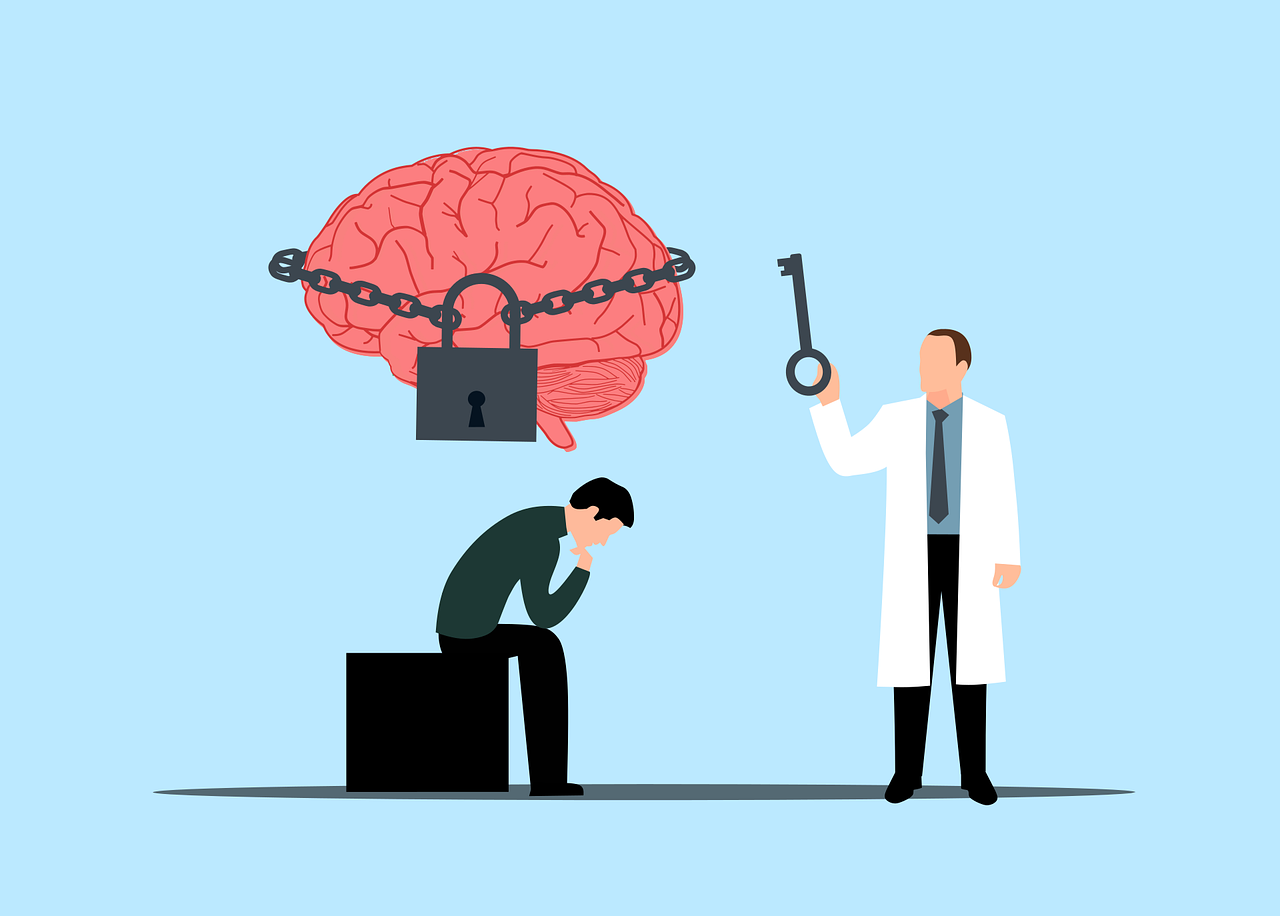
As behavioural counselling insists on observable behaviours as opposed to internal thoughts or feelings, it uses the concepts of the learning theory to change problem behaviours. The perspective considers most behaviors as learned reactions that are either unlearned or substituted by much healthier ones. Contingency management, behavioural activation and systematic desensitization of phobias are the techniques that behavioural counsellors employ.
They could utilize positive reinforcement, extinction process, or modeling in order to mold desirable behaviors. This method is especially useful to address particular behavioral issues such as addictions, eating disorders or habit-related issues, as well as will be used in conjunction with cognitive methods in contemporary practice (Craske, 2010).
5. Gestalt Counselling
Gestalt therapy focuses on the present awareness, individual responsibility and integration of the fractured parts of self. This experiential method is developed by Fritz Perls and helps clients concentrate on the thoughts, emotions, and the physical feelings they experience in the present instead of the analysis of the past. Gestalt counsellors apply imaginative methods, the empty chair exercise and experiments which increase awareness of avoidance patterns, or unfinished business, the clients talk to various parts of themselves or other important people in their lives.
The strategy focuses on genuine touch, fosters clients to possess their experiences by utilizing I statements and operates with polarities in the personality. Gestalt therapy can be useful in making the client more self-aware, conflict resolution, and building of emotional authenticity (Perls, 1969).
6. Existential Counselling
Existential counselling answers some of the most basic questions of human being meaning of life, freedom, responsibility, death, isolation and authenticity. Instead of treating patients as people with disorders who need correction, existential counsellors consider them to be struggling with universal human issues. The philosophy assists clients to explore values, decisions and meaning that they make in life. The existential counsellors dwell on issues such as anxiety over being free and responsible, finding meaning, facing the reality of death, and the boldness of living an authentic life despite the uncertainty that surrounds life. This style is attractive to individuals experiencing significant changes in their lives, loneliness, and crisis, and those interested in a more philosophical investigation of their experiences (Yalom, 1980).
7. Integrative and Eclectic Counselling
Many counsellors are practising in an integrative manner and therefore attending to the needs of each client by relying on several theoretical orientations since it is recognised that there is not a single approach that suits every patient. Integrative counsellors are trained in various approaches and critically apply techniques depending on what the research and clinical experience indicate will best be useful. Other integrative counsellors adhere to well-known integrative models where particular approaches are systematically combined, whereas others are more eclectic, and they choose techniques on a case-by-case basis.
This flexibility enables counsellors to work with the entire person: thoughts, feelings, behaviors, relationships, and meaning-making and change their approach over the course of therapy. A coherent conceptual framework and a lot of training is needed to ensure inconsistency is not created in integrative practice (Norcross and Goldfried, 2005).
8. Solution-Focused Brief Therapy (SFBT)
The future-focused approach of SFBT is based on the strengths and aims to highlight the solutions instead of the problems. Rather than digging into the causes and specifics of problems, solution-focused counsellors assist clients in visualising how they would like their future to be, and finding small steps, which they can manage and make to achieve that future. The most effective ones are the miracle question (imagine life without the problem vanishing overnight) and the scaling questions (where the measure of improvement is the difference between the current level and the initial level), and determining exceptions (when the problem is less intense or is absent).
The SFBT counsellors believe that their clients possess the necessary resources and strengths required to resolve their issues and discuss what is working instead of what is wrong. This is an effective method that is usually found to yield results in a number of 3-8 sessions and is effective when dealing with specific, concrete problems and clients who enjoy short and practical interventions (de Shazer, 1985).
How Counselling Helps People?
Counselling helps individuals in many ways that are intertwined. In the most basic terms, it brings emotional validation and minimizes the loneliness that can be a part of mental struggle. Just by listening without being judged is healing in itself. Counselling increases self-realisation, which enables individuals to realise their feelings, identify the trends in their thoughts and behaviours, and how past experiences affect the current performance. This heightened awareness allows more conscious and deliberate decision-making and less conscious reflexes.
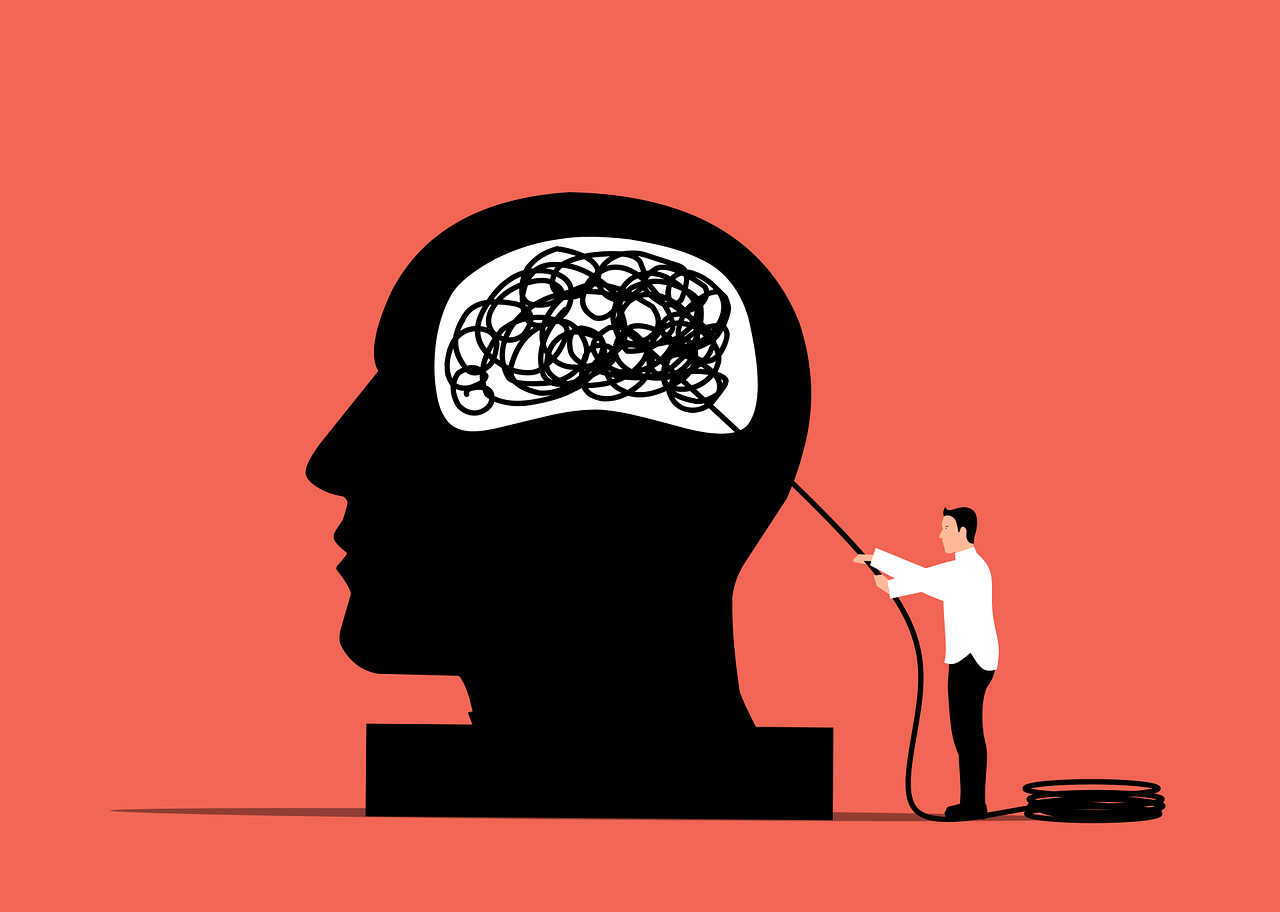
With the help of counselling, individuals acquire useful coping strategies in dealing with stress, controlling emotions, interpersonal communication, and problem-solving skills. These are the skills that are not confined in the therapy room but in every part of life which develop resilience and adaptive capacity. Emotional processing is also enabled through counselling. Numerous psychological challenges have to do with raw feelings: grief that was not grieved, anger that was not vented, trauma that was not assimilated. Counselling gives a secure vessel to these emotions to be felt and worked out.
In the case of relationship problems, counselling enhances interpersonal competency, communication style and how to develop healthy boundaries. It makes individuals comprehend the interactions of relationships and form more fulfilling relations with other individuals. Above all, counselling may lead to a true personal development and self-realization. In addition to alleviating their symptoms, a lot of individuals seek counselling as a way of exploring their values, creating authenticity, gaining much meaning and purpose and becoming the individuals they want to be.
When to Seek Counselling?
It is difficult to know when to use professional assistance. Counselling can help many individuals even before they are in a crisis as many wait to engage a counselor. Consider counselling, in case of continuous sadness, anxiety, or mood shifts during more than two weeks. In case you are struggling to perform day-to-day duties in your career, at school, or in the family because of emotional or psychological difficulties, expert assistance can be provided. The nature of problems with relationships that are not getting better despite your maximum effort, with your partners, family members, and colleagues, is also a good area of improvement by counselling.
It is the same case in case you have gone through some trauma or loss or any significant life change such as divorce or loss of a job or a severe illness; counselling will be very important in the process of passing through these hardships. An out-of-control substance use, self-harm or suicide thoughts, or emotional numbness and detachment with life are some of the important factors to help with urgently. Do not allow these worries to develop. Counselling is not only useful when you are in crisis.
A lot of individuals consult counselling in terms of personal development, in order to know themselves better, enhance their interpersonal relationships, or to resolve existing patterns that restrict their potential. Even in times that you are stuck, lost or lost in the meaning and purpose of life; counselling is also helpful. Unexplained physical symptoms, such as chronic pain, stomach trouble, headaches, or lethargy, can contain some psychological elements that can be solved through counselling. Likewise, when friends or family members have made any comment about your wellbeing, it is worth considering what they have to say.
Finding the Right Counsellor
As the counsellor-client relationship is critical in results, you need to find an individual that you are comfortable with and that you trust. Find licensed or registered professionals having the right credentials in your area. Most counsellors will give you a preliminary consultation so that you can see how well their style and their personality match up with you. Do not be afraid to inquire of would-be counsellors regarding their training and theoretical orientation and experience in dealing with your specific issues and what you will get out of the collaboration.
An excellent counsellor will embrace such questions and will assist you in making a wise choice. In case you do not feel that the relationship is bearing results after a couple of sessions, it is only proper that you talk with your counsellor or find services elsewhere. The therapeutic alliance must be safe, cooperative and conducive to development.
Conclusion
Counselling is a potent tool that helps to manage mental health issues, cope with life problems, and seek self-development. There are many different methods of counselling available, such as the psychodynamic exploration or solution-oriented ones, so that there is a kind of counselling that fits the needs and preferences of virtually any person.
Counselling is a brave and self-caring initiative and not a weakness. You may be grappling with certain symptoms, encounter challenging life situations or just wishing to live a better and more authentic life, professional counselling support can guide you to a higher level of wellbeing and satisfaction.
For more articles visit our site: Cognitive Conditioning
References